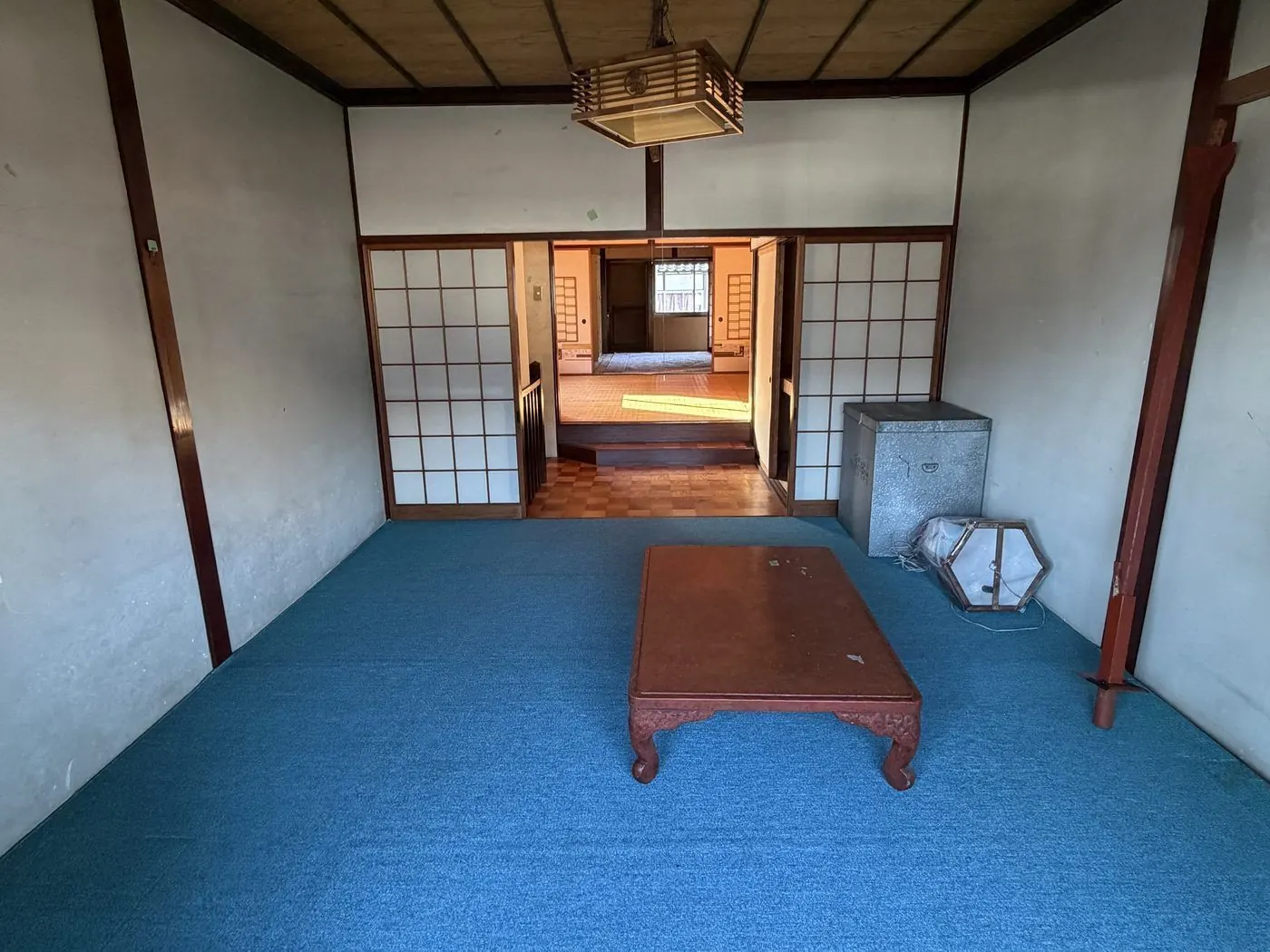
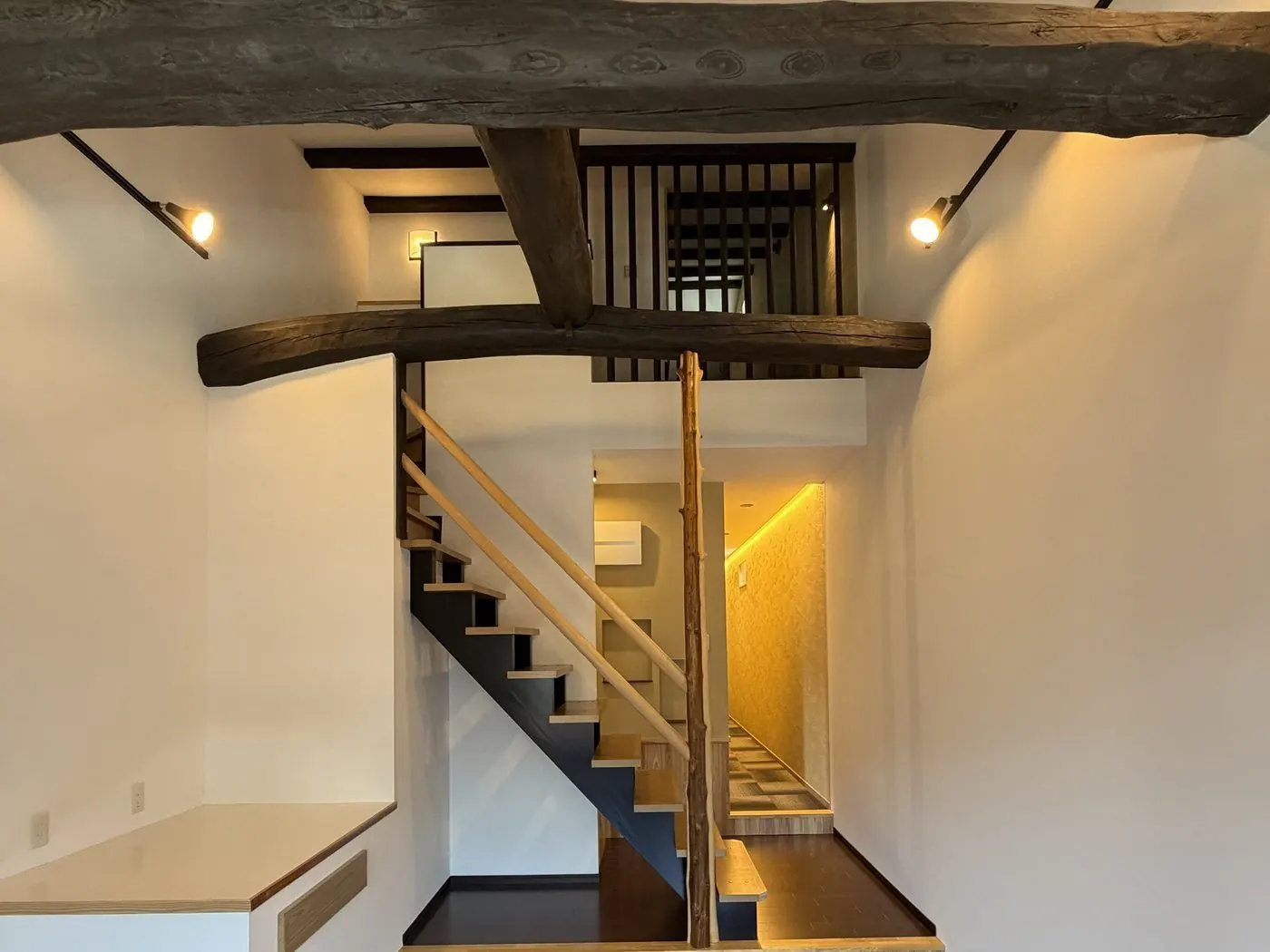
"Another company said zero" is something we hear often. We are not saying zero is wrong. Zero is the answer of a demolition-based appraisal. Change the premise and the same house gets a different price.
A demolition-based appraisal takes the demolition cost off the land value. Demolishing a wooden house in Toyama costs around ¥30,000–50,000 per tsubo (3.3 m²): from about ¥1.5–2 million for a house of 40 tsubo (about 132 m²), from about ¥2.5–4 million for a 60-tsubo (about 198 m²) farmhouse or Azumadachi, and with a storehouse and windbreak grove the total often tops ¥3 million (demolition cost guide). Where land in suburban Toyama is worth less than that demolition cost, the answer is zero or negative. On top of that, once the lot is cleared, the residential land relief on property tax ends from the following year, and you pay the higher tax until it sells.
A repair-based appraisal adds the value of the building to the value of the land, then deducts the repair cost and the risk of not selling. We value the beams, posts and layout, and we repair the houses we buy and hand them to the next occupant. Where the frame is usable, we deduct neither demolition nor disposal of the contents, because we do not demolish and those costs never arise. Conversely, a house damaged through to the frame that cannot be repaired can only be priced on the basis of clearing the lot. Then the figure has the demolition cost taken off, or there may be no figure at all. Which it is, we tell you honestly after seeing the frame on site. Our price is lower than a brokered sale would fetch, because we, as buyer, take on the repair cost, the risk of not selling and the clearing out. But compared with a demolition-based zero, the value of the building remains.
This is not about which appraisal is right. It is that for a house whose frame is sound, a repair-based appraisal leaves you with more. For a house damaged through to the frame, our appraisal too moves closer to the demolition-based one. That is why we go and look at ③. Our free appraisal can give you both the figure for selling as it is and a rough demolition figure, so compare them on one table before deciding. How a house "that won't sell" gets a price, and how we compare with brokerage, akiya banks, giving it away and surrender to the state, is covered separately in Demolition-based versus repair-based appraisals.
Municipalities offer subsidies for demolishing dangerous vacant houses. Toyama City's subsidy for removing dilapidated and dangerous vacant houses, for example, requires the house to meet at least two of a list of criteria (tilting or risk of collapse, damaged outer walls, damaged roofing and leaks, and so on), and its outer walls to stand within 3 m of the neighbouring boundary at ground level or 5 m at first-floor level (Toyama City: removing a vacant house above a set level of danger). In other words, the subsidy is for houses where ② and ③ have already advanced. Most schemes require applying before work starts, and the terms and budget change each year. Even with a subsidy you pay part, so set it beside our as-is appraisal and check the details in the city's official guidance.