Managing a vacant house / Protecting the family home in Toyama from afar

Vacant houses in Toyama break in winter.

You live in another prefecture and can visit the family home in Toyama only once or twice a year. It breaks in winter; you notice in spring. Here is the year's calendar, and who to ask for what.

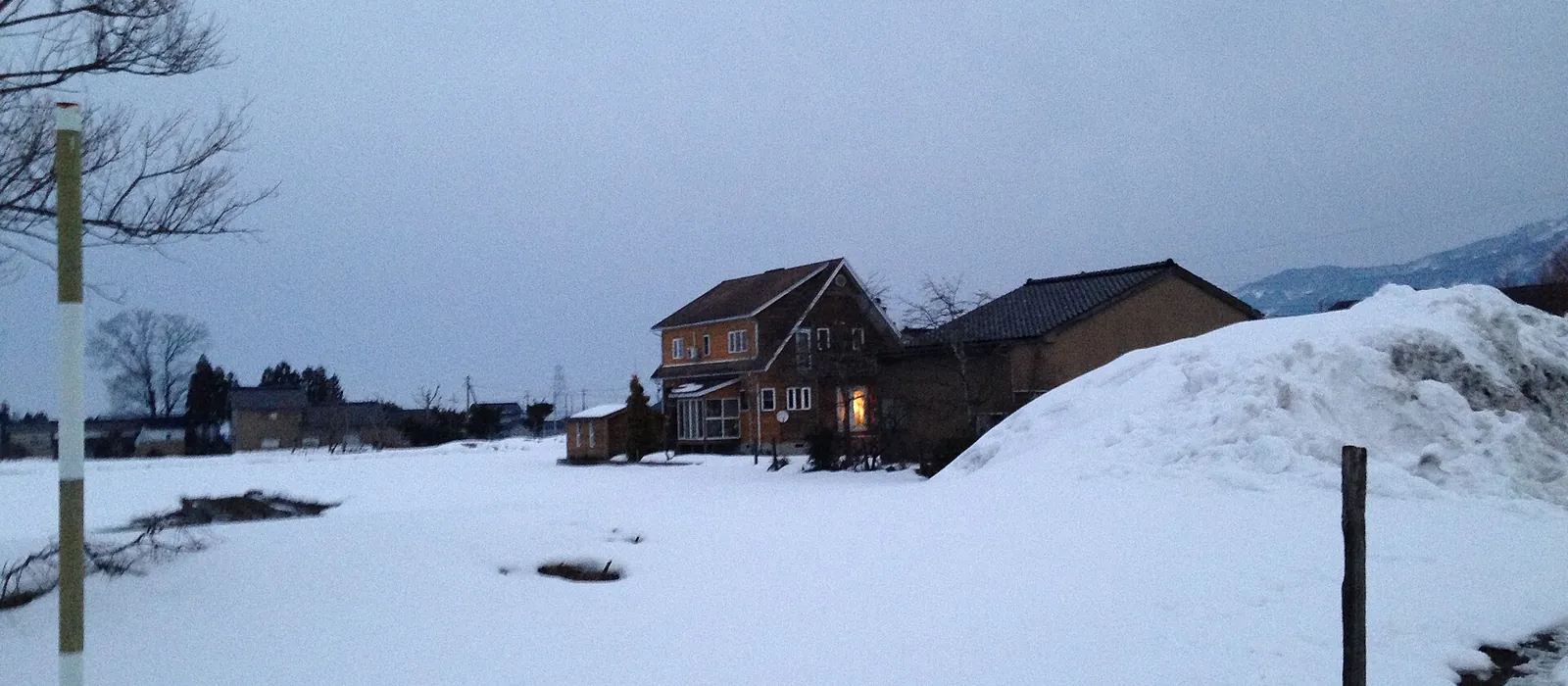
Houses in winter (Johana, Nanto)Winter in Johana, Nanto: beyond snow-covered fields, houses at dusk and piles of cleared snow
Photo: そらみみ "Johana Station at dusk"(CC BY-SA 4.0), cropped
1 Send photos of the house and its location, and we reply with a guide to keeping, renting out or sellingFree consultation by LINE 2 9:00–17:00, Japanese only / after 17:00: Call us
1970Founded / Yatsuo, Toyama City
Real estate + constructionA builder with both a real estate licence and a construction permit
Site survey ¥0No charge if you decline
Toyama, Ishikawa and HidaAll of Toyama and the neighbouring prefectures

What happens to a vacant house in Toyama over a year

A year in a vacant house in Toyama Jan Feb Mar Apr May Jun Jul Aug Sep Oct Nov Dec Roof snow, sliding snow, broken eaves Burst pipes from freezing found in spring Post-thaw check Grass, trees, pests, damp Snow screens, draining, gutters
It breaks in winter; you find out in spring. The darker bands are when the damage we are called in to repair is concentrated.

The difference between a lived-in house and a vacant one is whether anyone notices when it starts to break.

If you live there, you notice that morning that nothing comes out of the tap. You hear the snow slide off the roof. In a vacant house, nobody does. Here is what happens to a vacant house in Toyama over a year, month by month.

Dec–Feb ─ Roof snow, sliding snow, broken eavesSnow piles up on the roof and its weight bears on the posts and beams. On a warm day it comes down all at once, breaking the eaves, the gutters and the neighbour's fence. As the snow on the roof freezes and thaws over and over, water works its way under the tiles.
Jan–Feb ─ Burst pipes from freezingOn a cold night the water in the pipes freezes and expands, cracking the pipes or joints. Nobody notices the moment it cracks. From the day the temperature rises and the ice melts, water keeps running. It is found in spring, from the water bill or once the floor has rotted.
Mar–Apr ─ Post-thaw checkOnly once the snow is gone can you see warped eaves, shifted tiles, detached gutters and leaks. Whether someone can go and look at this time of year changes that year's repair bill. What happens to a house where a leak was found and left for years is in a house with a neglected leak.
Jun–Sep ─ Grass, garden trees, pests, dampOnce the rainy season ends the grass shoots up and spills onto the road and the neighbour's land. A shut-up house traps damp, and mould appears on the tatami and under the floor. Wasps nest under the eaves; animals get in under the floor.
Oct–Nov ─ Snow screens, draining, gutter cleaningThe season for getting ready before the snow. Clean the gutters clogged with leaves, put snow screens on the windows and garden trees, and drain the water pipes. If you are coming back from another prefecture, this is the visit that counts most.

The damage we are called in to repair in vacant houses is concentrated in winter and spring. Not leaks so much as freezing and snow: that is the Toyama vacant house. Snowfall and road conditions by area are set out under "Snow, roads and the land" on each municipality's page, such as Tateyama and Nanto. If the roof has already fallen or the house looks about to collapse, this week's steps are in A collapsed roof or a house about to fall.

Who can clear the roof snow

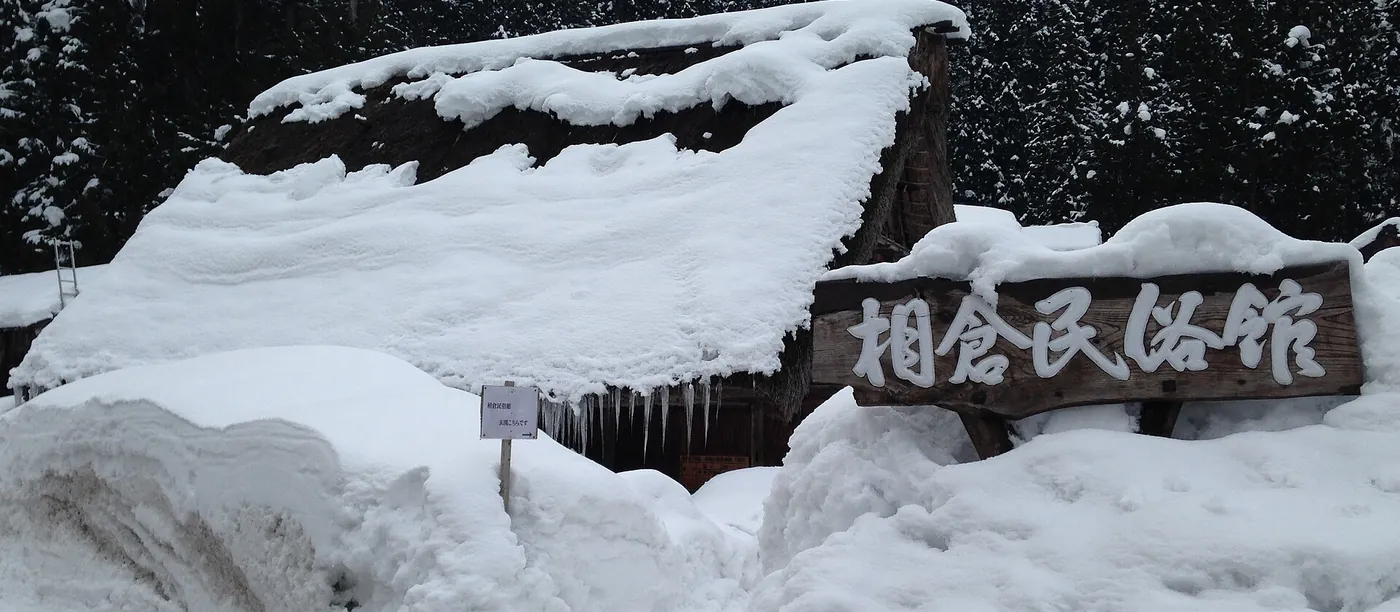
Roof snow overhanging the eaves (Ainokura village, Gokayama, Nanto)Winter at the Ainokura Folklore Museum, Gokayama, Nanto: deep snow on the thatched roof overhangs the eaves, hung with icicles
Photo: そらみみ "Ainokura Folklore Museum in snow"(CC BY-SA 4.0), cropped

There are broadly three kinds of people you can ask from outside the prefecture. Here they are in order, from the closest to the farthest.

  • The neighbourhood association and the neighbours. They are the first to notice. But clearing a roof is dangerous work, so good manners are to ask them only to look and let you know, never to do the work. Give them your contact details and never forget to thank them; that is how the arrangement lasts
  • The Silver Human Resources Centre. You can ask them for mowing, garden trees, snow clearing and so on. The Toyama City centre runs a "vacant house watch" service for owners who live far away and cannot manage the house, under an agreement with Toyama City on the proper management of vacant houses. For other municipalities in the prefecture, find the local centre through the Toyama Prefecture Silver Human Resources Centre federation. Note that they often cannot take on work that involves going up on the roof; check what each centre will do
  • Snow-removal contractors and builders. These are who you ask for the roof clearing itself. In a heavy snow year requests pile up and there is a waiting list, so get in touch in autumn to book them for the coming winter

The cost is listed on what to do with the family home as "roof snow clearing (if hired, per visit)". How many times a year you need it depends on that year's snow and where the house stands. On the plain there are years when the roof never needs clearing; in the hills there are years when you hire it three times.

If you go back and clear the roof yourself, never go up alone. Two or more people, with a safety line. Every year in snow country people fall from roofs. The city's snow clearing guidance and precautions are at Toyama City: snow removal.

There are ways to reduce how often you need it. Re-roofing from tiles to a lighter material gives more margin against the weight of snow and helps seismic resistance at the same time. Rearranging the snow guards to change where snow falls, or fitting snow-melting equipment, are other options. See roofs and snow for details.

Can the water, electricity and gas be shut off?

Shut off (drain the pipes and leave it for the winter) Keep on (you plan to use it in spring or autumn) 1. Close the stopcock (main valve) 2. Open every tap in the house and let the water out 3. Empty the water heater and the toilet cistern 4. Electricity and gas can be shut off Wrap insulation round exposed pipes and taps On cold nights leave a tap trickling The water heater's freeze protection needs power Standing charges keep running
Closing the stopcock alone does not count as "shut off". Draining means letting the water out of the pipes as well.

A vacant house in Hokuriku has to be drained.

Toyama Prefecture has seen cases where a house lot's water pipes froze and burst, causing repeated leaks that led to a large-scale water outage. So the prefecture advises that if a vacant house still has its water turned on, you should check regularly that nothing has broken. It also advises draining pipes that are not in use (Toyama Prefecture: preventing water outages from frozen pipes). Toyama City's public bulletin makes the same point (Koho Toyama: prevent pipes bursting or leaking from freezing).

Closing the stopcock is not enough. Water left in the pipes freezes, expands and cracks the pipes or joints. Most of the burst-pipe houses we have repaired were ones where "the stopcock was closed". Shutting off the water means going through the following steps.

1. Close the stopcock (main valve)It is in the meter box. If you cannot find it, ask the water utility or the contact on the meter reading slip.
2. Open every tap in the house and let the water outKitchen, washbasin, bathroom, the outdoor standpipe. Open them all, down to the lowest tap. If the house has a drain valve, open that.
3. Empty the water heater and the toilet cisternThe water heater has a drain valve. The procedure differs by model, so follow the manual or the maker's instructions. For the toilet, flush until the cistern is empty.
4. Once drained, electricity and gas can be shut offWith the water heater empty too, there is little reason to keep the power on. Ask the electricity company to cancel or suspend the contract; for gas, ask the utility to close the valve if it is town gas, or contact the supplier if it is LP gas.

If you keep the water on. Some houses will be used in spring or autumn and you may not want to shut off the water. In that case, wrap insulation round exposed pipes and taps and those in shade, and on nights when a hard frost is expected leave a tap trickling. This is the method Toyama Prefecture advises. The water heater's freeze protection needs power, so if you keep the water on, keep the electricity too. And never pour boiling water on a frozen pipe: it will burst. Wrap it in a towel and pour lukewarm water over it slowly.

There is one more reason to keep the electricity: a ventilation fan running on low reduces damp and mould in a shut-up house. You keep paying the standing charge but slow the decay. Which to choose depends on how likely it is that someone will use the house next.
What you can do from afar, and what needs someone on site

From afar Needs someone on site Change of address at the post office (forward the family home's mail to you) Make sure the tax notice and meter readings reach you Update the name and contact details on the fire insurance Electricity, water and gas contracts Give your phone number to the neighbours and the association head Done by phone, online or post Roof snow clearing Draining in autumn, reopening in spring Mowing and pruning Cleaning the gutters Post-thaw check Opening the windows to air the house Do it yourself on a visit, or ask the Silver Human Resources Centre or a contractor
The left column is work you can finish today by phone and online. The right is work you do yourself on each visit, or hand over a key and ask someone to do.

Half of the management can be done from another prefecture. The other half is not finished until someone goes to the house. Make this split and you know what to do on every visit.

What you can do from afar. File a change of address at the post office so mail for the family home is forwarded to you. Simply making sure the property tax notice and the water meter reading reach you means a leak is found sooner. Update the policyholder name and contact details on the fire insurance to your current address and tell the insurer nobody lives there. Electricity, water and gas contracts can be handled by phone and online. Then give your phone number to the neighbours and the head of the neighbourhood association. If there is nobody to call when something happens, the first you hear of it will be a notice from the city.

What needs someone on site. Clearing roof snow, draining the pipes in autumn and reopening them in spring, mowing and pruning, cleaning the gutters, the post-thaw check, and opening the windows to air the house. Split these into what you do yourself on one or two visits a year and what you ask the Silver Human Resources Centre or a contractor to do. Decide who holds the key and agree that they send you photos, and you will know the state of the house without going.

The same applies to a house whose inheritance registration is not done yet: the duty to manage it begins before the registration. That a duty of care remains even after renouncing an inheritance is explained in renouncing the inheritance does not make the house disappear. Renounce it or not, the snow still falls.

The yearly cost of keeping it up

The yearly costs of a vacant house, laid out over the year Jan Feb Mar Apr May Jun Jul Aug Sep Oct Nov Dec Property and city planning tax ¥50,000–150,000/yr Fire insurance (higher when vacant) ¥20,000–50,000/yr Water and electricity standing charges ¥20,000–30,000/yr (if kept on) Mowing and garden trees ¥30,000–100,000/yr Roof snow clearing (if hired) ¥30,000–80,000 per visit In total, about ¥150,000–400,000 a year Repairs to pipes burst by frost or eaves broken by sliding snow are extra
The top three go out all year round whether you live there or not. Add grass in summer and snow in winter and it comes to about ¥150,000–400,000 a year.

The breakdown of what a vacant house costs each year is on what to do with the family home. Here the same figures are re-ordered by when in the year they fall due.

  • Property and city planning tax (all year, whether you live there or not)¥50,000–150,000/year
  • Fire insurance (all year, higher when vacant)¥20,000–50,000/year
  • Water and electricity standing charges (all year, if kept on)¥20,000–30,000/year
  • Mowing and garden trees (Jun–Sep)¥30,000–100,000/year
  • Roof snow clearing (Dec–Feb, if hired, per visit)¥30,000–80,000
  • Travel to go backevery visit

In total, ¥150,000–400,000 a year just to own it. In a heavy snow year, with the roof cleared two or three times, it goes higher. And that figure leaves out repairing pipes burst by frost or eaves broken by sliding snow. Repairing after a break normally costs more than the management did.

Hold it for ten years and that is ¥1.5–4 million. Looking at that figure, some think "then let's repair it and rent it out", others "time to let it go". Both are sound decisions, and we handle either through the same door.

When the neighbours call

"The grass is spilling onto the road." "The snow looks like it's about to fall and it's frightening." A call from the neighbours comes before any notice from the city. Act at this point and most things stay within neighbourly relations. Here is what happens, in order, if you do not.

The December 2023 amendment to the Vacant Houses Special Measures Act created a category of "poorly managed vacant house", one step before the "designated hazardous vacant house" at risk of collapse. The municipality first gives the owner advice and guidance, and if nothing improves moves to a recommendation. Once a recommendation is issued, the lot loses the residential-land reduction in property tax (MLIT: vacant-house measures affecting the residential-land property tax reduction). How demolition changes the tax is set out in demolition cost guide; the point is that a recommendation brings the same result without any demolition. How to tell which stage a letter is, when the tax goes up, and how to reply are in when the city writes to you about a vacant house.

Toyama City has an ordinance on the proper management and use of vacant houses, and the city publishes the criteria for what counts as a poorly managed vacant house. The criteria and their application can change, so check the latest at Toyama City: vacant house measures. Contacts for other municipalities are listed at Toyama Prefecture: vacant house measures.

If you do not yet know who to ask, there is the Toyama City vacant house consultation desk: free advice on vacant houses in Toyama City, from inheritance and registration to management, clearing contents, sale, reuse and demolition. You are welcome to come to us directly, or to use the city desk first.

Two ways to stop managing it

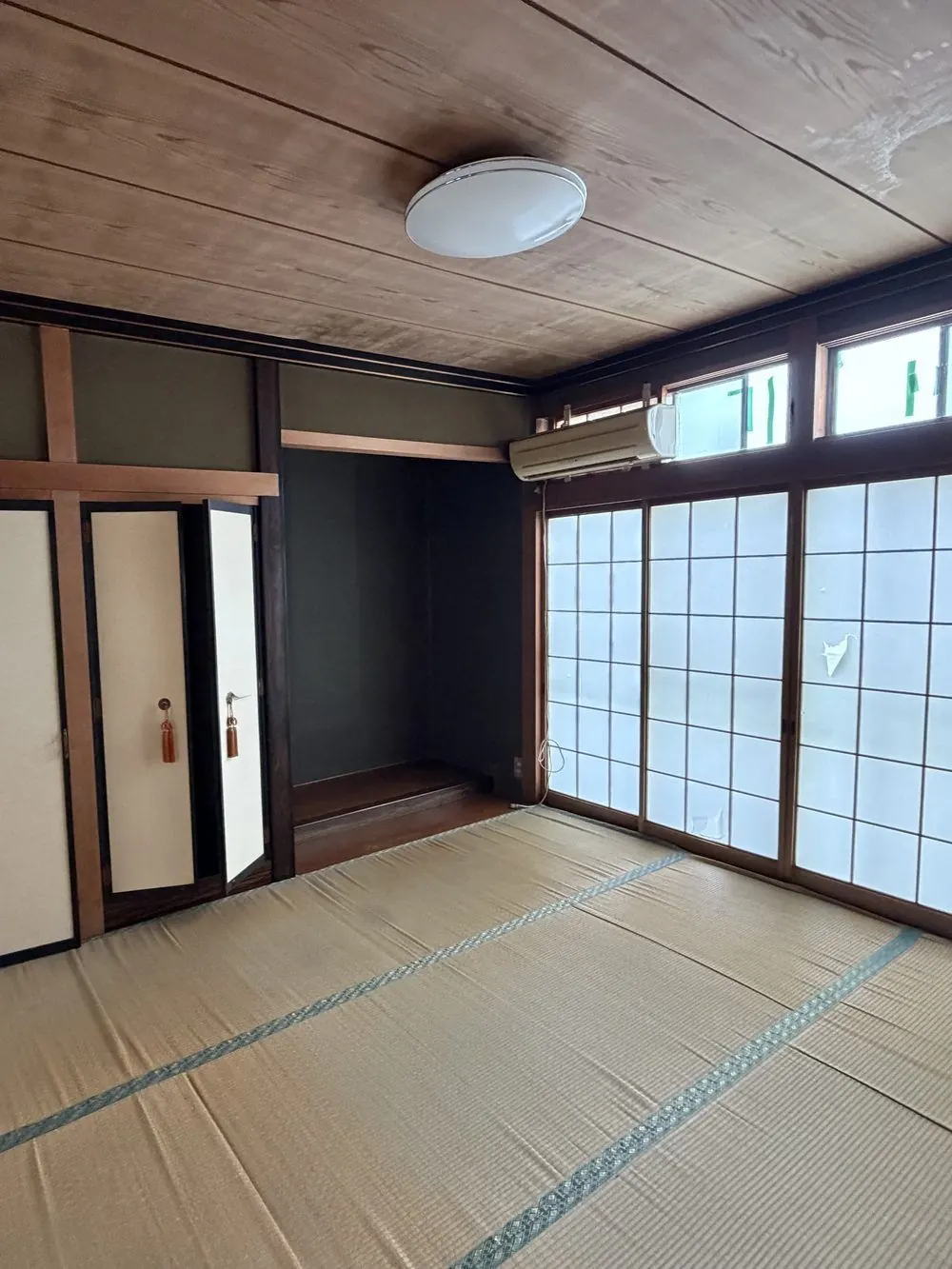
BeforeThe tatami room before
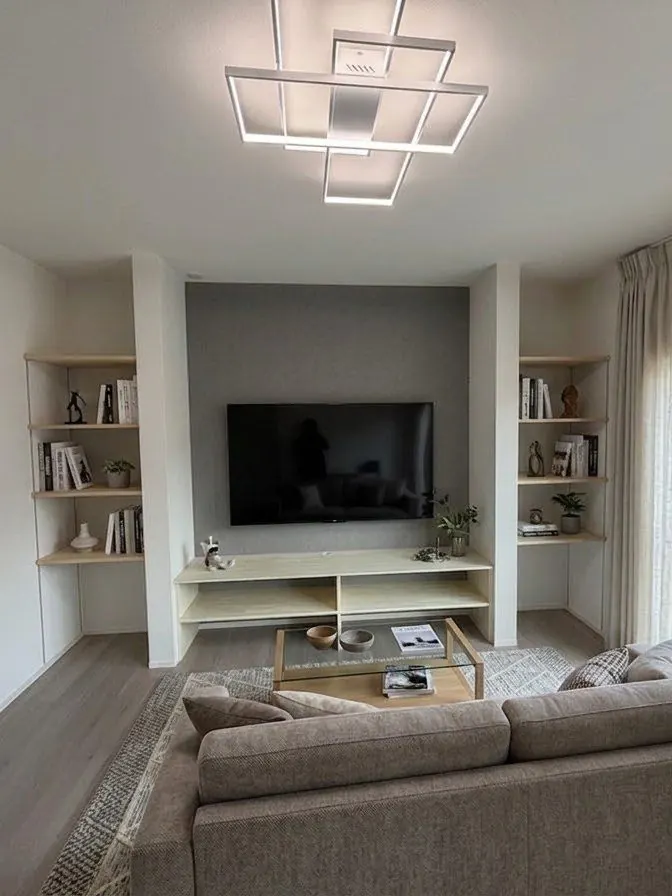
AfterThe tatami room as a Western-style room with a TV unit (after)

A house in Toyama City fully renovated on both floors, now home to a family of four. Two months' work, construction cost ¥8 million. → See this case in detail

Once someone lives there, snow, freezing and grass are all solved at once.

This is what we have seen as a builder. We have described many ways to stop a vacant house deteriorating, but the surest is for someone to live in it. Rather than working harder at managing it, there are two ways to end the managing.

  • Let someone live there. Restore it and use it as a rental or an inn. We handle everything from business plan to design, construction and advice on tenants and management after handover, and all of the rent goes to the owner. You keep the house. There is also a DIY lease, where someone who wants to renovate and live there rents it as it is; tenants are found through our registration. How it works is in putting a vacant house to use without selling
  • Let it go. We buy it directly, as is, contents included. Handover in as little as two weeks from the site survey. We dispose of the contents and shut off the electricity and water too, so you need to come back once, or not at all. The steps are in sell without going back to Toyama, the terms in selling a vacant house in Toyama. A house you cannot look after from outside the prefecture is the typical case we buy. For a house inside Toyama City, see selling a vacant house in Toyama City.

A house near a tourist area can also be used as a guesthouse rather than a home. When the host does not live nearby, the law requires the minpaku to be run by a registered management operator, so having minpaku management in Toyama under the same roof is itself a way out of the upkeep problem. What to do in winter once the house is a guesthouse is set out in Snow and winter for a minpaku.

Some houses find a company that wants to rent them as a staff dormitory. What a corporate tenant checks (bedroom size, winter readiness) is on Company housing and staff dormitories in Toyama.

Our policy is not to demolish the houses we buy but to repair them and hand them to the next occupant. Whether you lease or sell, the house stays and someone lives in it. Which suits you depends on the condition and location of the house, and on how your family feels.

FAQ

If snow slides off my roof and damages the neighbour's house, who is liable?+−

Even for a vacant house, looking after the building is the owner's responsibility. If falling snow, or parts broken by the weight of snow, harm a neighbouring house or a passer-by, the owner may be asked to pay compensation. Where a roof sheds snow towards the neighbour, adding snow guards or changing the roof shape can sometimes redirect it. We judge which is right after seeing the house, so ask us in autumn, before the snow comes.

How liability works, and what to do the day you get the call, is in who is liable when a vacant house damages the neighbour's.

Does a house nobody lives in need to keep its electricity connected?+−

If you drain the pipes and empty the water heater too, you can cancel it; the standing charge adds up over a year. But if you rely on the freeze-protection heaters in the water heater or pipes, or want to run a ventilation fan or security lighting, the power has to stay on. Decide which way you will manage the house first, then set the electricity contract to match.

If I shut off the water, is freezing no longer a worry?+−

Closing the stopcock is not enough. Any water left in the pipes freezes, expands and cracks the pipes or joints. Toyama Prefecture also advises draining pipes that are not in use. After closing the stopcock, open every tap in the house to let the water out, and empty the water heater and the toilet cistern. That is what "shutting off the water" means.

Can a vacant house be insured against fire?+−

It depends on the insurer. Some will cover it as a home; others treat it differently because it is vacant, and vacant houses generally cost more to insure. Tell your current insurer that nobody lives there and check whether they will cover it and at what premium. If you do not tell them it is unoccupied, a claim may be refused when it matters.

I can only go back once a year. When is the best time?+−

We recommend October or November, before the snow. Clear the leaves from the gutters, put up the snow screens, drain the pipes, and go home. That one visit prevents much of the winter damage. If you can come again in spring, check the roof, eaves and water pipes for damage once the snow has melted. If once a year is all you can manage, ask a neighbour or the Silver Human Resources Centre to do the spring check.

I have nobody to ask to look after it. Do I have to sell straight away?+−

No. First send us photos of the house and its location. We answer with three options side by side: if you keep managing it, who to ask for what; if you rent it out, whether a tenant is likely; if you sell, how much. The appraisal and site visit are free, and there is no charge if you decline.

→ All 49 questions on selling and renovation

How will you get through this winter?

Photos of the house and its location are enough. Keep managing it, rent it out, or let it go: we reply with all three side by side. The site visit is free.

Send photos by LINE Ask by form
By phone (Japanese only) 9:00 - 17:00 After 17:00, site manager (Japanese only)

* All costs are rough guides and vary with the house's condition, its location and the year's snow. Public schemes and criteria are updated each fiscal year, so always check the official information of each municipality. Whether fire insurance is available, and at what premium, differs by insurer.

Written by Tatsumasa Nakamura, Hokuriku Homes Updated

Phone9:00–17:00 LINEAppraisal from photos Free appraisalTakes 1 minute
LINEChat