Tonami City — buying kominka and vacant houses

We buy vacant houses in Tonami City as they are.

Scattered villages: houses ringed by windbreak groves, dotted across the paddies. Many gable-entry Azumadachi houses with thick beams and a wakunouchi frame still stand. But the grove upkeep and the snow grow heavier every year, and more houses fall empty when children who moved away cannot keep up. Houses here are structurally sound, so there is plenty of room to restore them.

1 Just send photos of the outside and inside. No clearing, from anywhereFree appraisal on LINE 2 9:00–17:00, Japanese only / after 17:00: Call us

Areas of Tonami City we cover

  • Shogawa
  • Demachi
  • Nakano
  • Sendanno
  • Hannya
  • Higashi-Hannya
  • Aburaden
  • and all of Tonami City

We cover districts not listed above too. Just tell us where the house is and roughly what state it is in. Other municipalities in Toyama Prefecture are covered on Selling a vacant house or kominka in Toyama (overview).

Houses in Tonami City, and why they fall empty

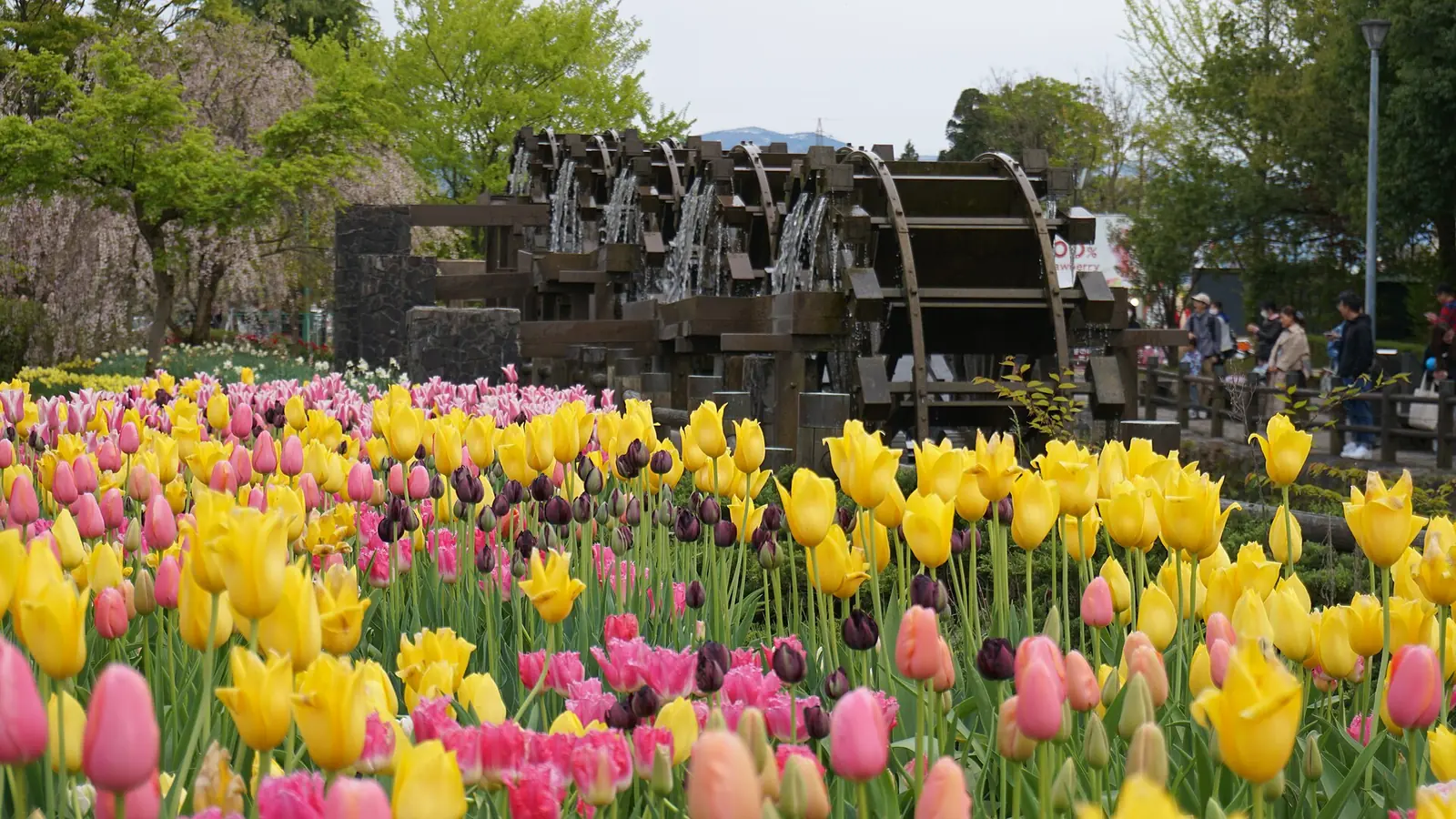
Tulip fieldsTulip fields and the five-wheel water mill at Tonami Tulip Park
※ Street scene in Tonami, not a property we handle. Photo: 掬茶 "Tulips and waterwheel, Tonami Tulip Park"(CC BY-SA 4.0), cropped

Tonami means the scattered villages: big-roofed Azumadachi houses wrapped in windbreak groves, dotted across the fields, a landscape unique in Japan. The finer the house, the heavier the upkeep and the winter work, and what to do with an empty Azumadachi is a worry shared across the Tonami plain.

An Azumadachi has a heavy frame and is well worth repairing to live in or to run as an inn. Before letting the demolition cost decide how you sell, check what it fetches when bought without demolishing. We appraise as it is, grove upkeep included.

If you want a wider view of the market before selling, see Using the akiya banks. You can talk to us even while your house is listed there.

How houses sell in Tonami City

In Tonami's scattered farming settlements, large azumadachi farmhouses still stand together with their windbreak groves (kainyo). An azumadachi house is large, so both upkeep and demolition cost real money, which is exactly what tends to put an heir in a bind. But a fine great room framed with thick beams is valued most highly as a guesthouse or a whole house for rent. We think this is one of the areas where the price changes most between a demolition basis and a restoration basis.

When the storehouse or barn is collapsing before the house →

Snow, roads and land in Tonami City

The windbreak groves (kainyo) that shaped the scattered-village landscape were planted to shield houses from the winter gales that sweep the Shogawa alluvial fan. Today the upkeep of the big cedars is itself a burden, and "I need to deal with the trees before the house" is a common opening line. Even if the grove needs felling or thinning, we fold that into the appraisal as it is. If a neighbour is complaining about branches or leaves, Overhanging groves and garden trees lists what to do first and how to let the house go trees and all.

A farmhouse is often surrounded by rice fields designated for agricultural use (so-called “blue land”), and those fields can't be sold the same way as a house lot. Selling farmland needs the agricultural committee's procedures, and whether anyone will take on farming it matters too. We hold both a real estate licence and a construction licence, so we can think through letting go of the house and the fields together. The agricultural committee's procedure is set out in Selling a family home with rice fields or forest.

The town centre of Demachi has ordinary town houses, which sell in a completely different way from the big farmhouses of the scattered villages. For either type, start by seeing the as-is price. For the owner's liability when roof snow or grove branches fall on a neighbour, see Who is liable when a vacant house damages the neighbours.

Neighbouring municipalities: Selling a vacant house in Toyama City · Selling a vacant house in Takaoka · Selling a vacant house in Oyabe · Selling a vacant house in Nanto

Subsidies in Tonami City

Tonami City has subsidies for demolishing or renovating vacant houses. Budget and conditions are set each fiscal year, and starting work before the grant is approved disqualifies you as a rule. Whether selling, renting or repairing is best can depend on the scheme, so we check it alongside the appraisal.

* Check the municipality's official page for current availability and requirements.

Leave the keys as they are

Request an appraisal for a house in Tonami City.

Just three fields. It takes a minute. If you have photos, LINE is faster.

Request a free appraisal Message us on LINE
Or call us (Japanese only) 9:00 - 17:00 After 17:00, site manager (Japanese only)

Tonami City FAQ

Can I really sell a vacant house in Tonami City without clearing it out?+−

Yes. In Tonami City too, we buy with the contents and the altar still inside; we dispose of them, so no clearing out. Azumadachi farmhouses of the scattered villages, houses ringed by windbreak groves — we take them all as they are.

How long from appraisal to handover in Tonami City?+−

As little as two weeks from the site survey. A few days from your request to the visit, and the price within a week. We can also discuss what to do with the windbreak grove at the same time, so within Tonami City it goes smoothly.

Another firm said it can't be sold without demolishing. Is that true in Tonami City?+−

We don't assume demolition. We repair the houses we buy and pass them on, so there is no demolition cost to deduct from the price. Many requests here come from heirs living outside the prefecture, and the better the condition, the bigger the difference. Appraisal is free, with no charge if you decline.

I was told my large Azumadachi farmhouse is too big to sell.+−

Size counts against you with a broker, but it is an asset in a restoration. It can become a whole-house rental that shows off the wakunouchi beam frame, or be reduced so that only the living part is repaired. We appraise on the basis of keeping it.

I want to let go of the windbreak grove (kainyo) and the fields too.+−

Talk to us about the whole site, standing trees included, as it is. Where farmland is involved the Agricultural Land Act procedures apply, so we start by working out the steps with you.

Our purchase terms and frequently asked questions.

How we differ from an agent, how we handle shared ownership and farmland, and what clients say.

Selling a vacant house or kominka in Toyama: overview → What to do with the family home →

Written by Kota Makimura, Hokuriku Homes Updated

Phone9:00–17:00 LINEAppraisal from photos Free appraisalTakes 1 minute
LINEChat