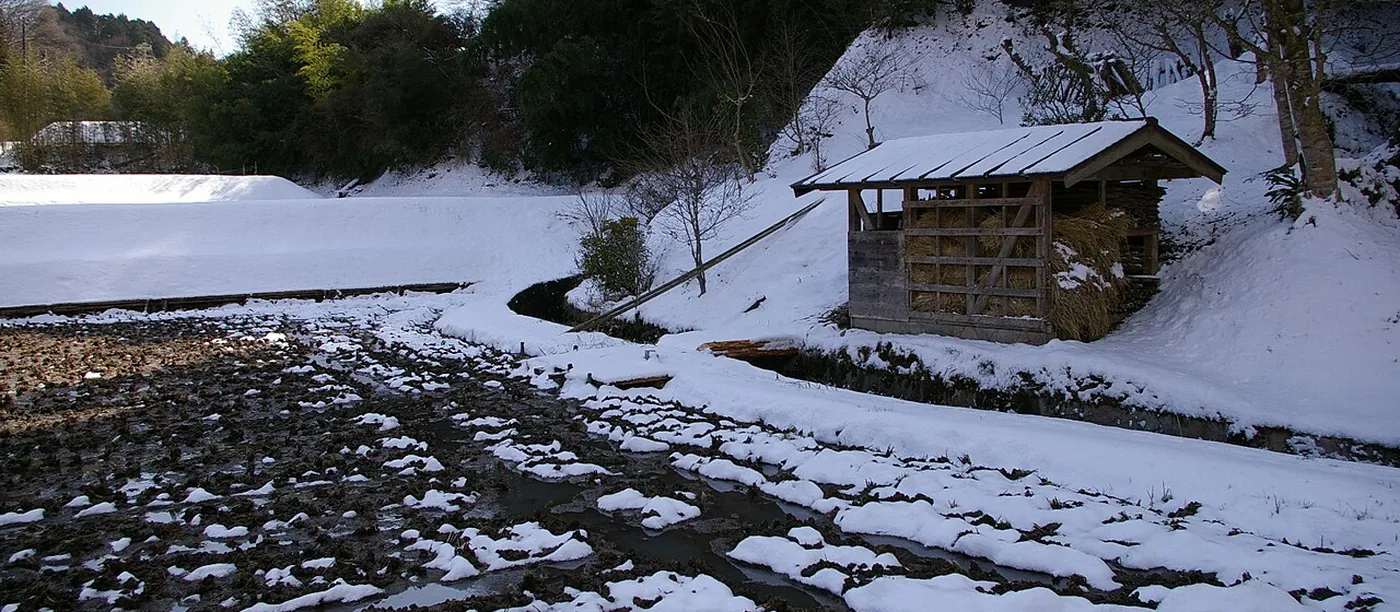
Appraise a house with a storehouse on a brokerage or demolition basis, and the storehouse is seen purely as “a building that adds to the demolition cost.” The cost of demolishing the storehouse and barn is added on top of demolishing the main house. If there's a windbreak grove, the cost of felling the trees is added too, and the whole total is subtracted from the land price (felling costs for a windbreak grove, and the option of letting go of the trees with the property, are covered in Trees left unchecked and a complaint from the neighbours). Demolishing a wooden house in Toyama runs at roughly ¥30,000–50,000 per tsubo (3.3 ㎡), and outbuildings like a storehouse, barn or garage start from a few hundred thousand yen each; add a windbreak grove and the total often exceeds ¥3 million. In the outskirts of Toyama, the land can be worth less than this demolition cost, in which case the appraisal comes out at ¥0 or negative. Much of what we hear as “another company said it's worth nothing” comes down to this arithmetic. The difference between a demolition-based appraisal and ours, not limited to storehouses, is set out in The difference between an appraisal that assumes demolition and one that doesn't.
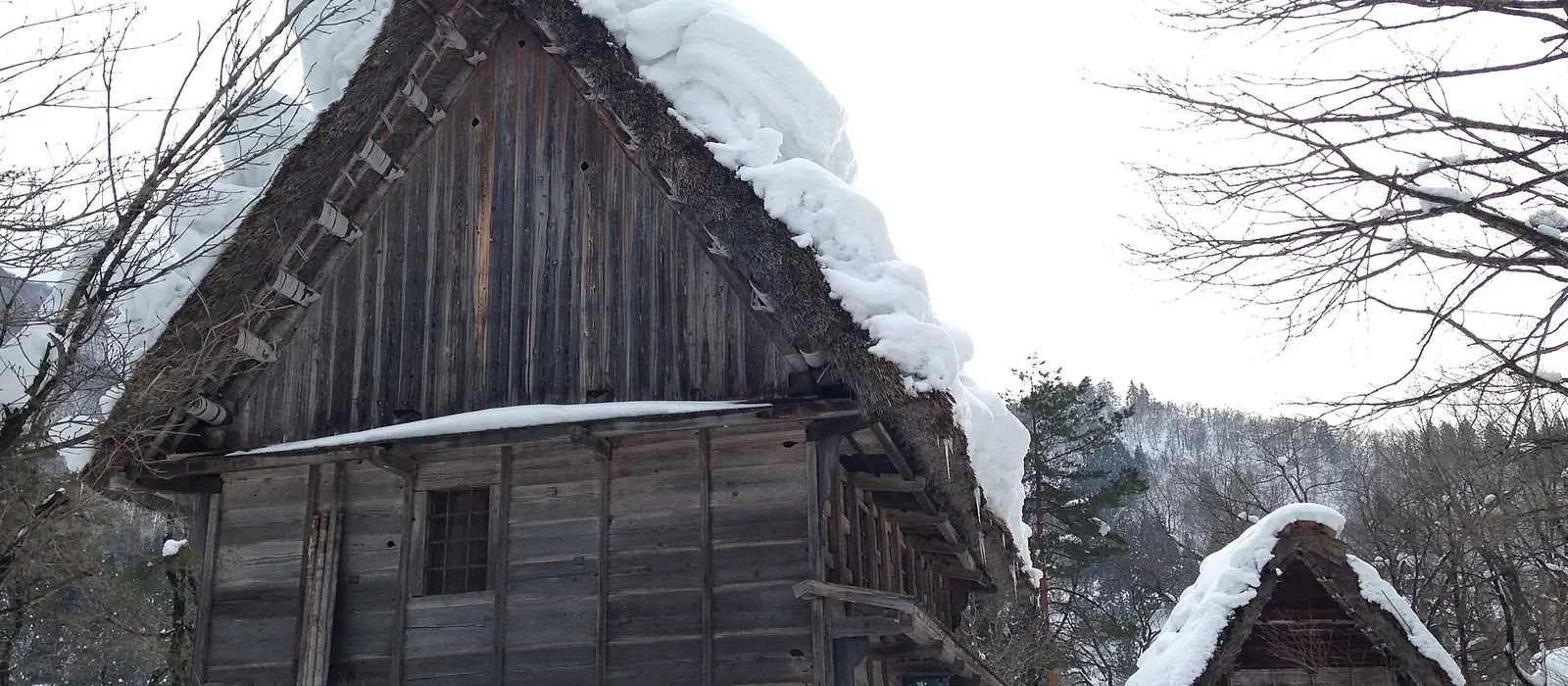
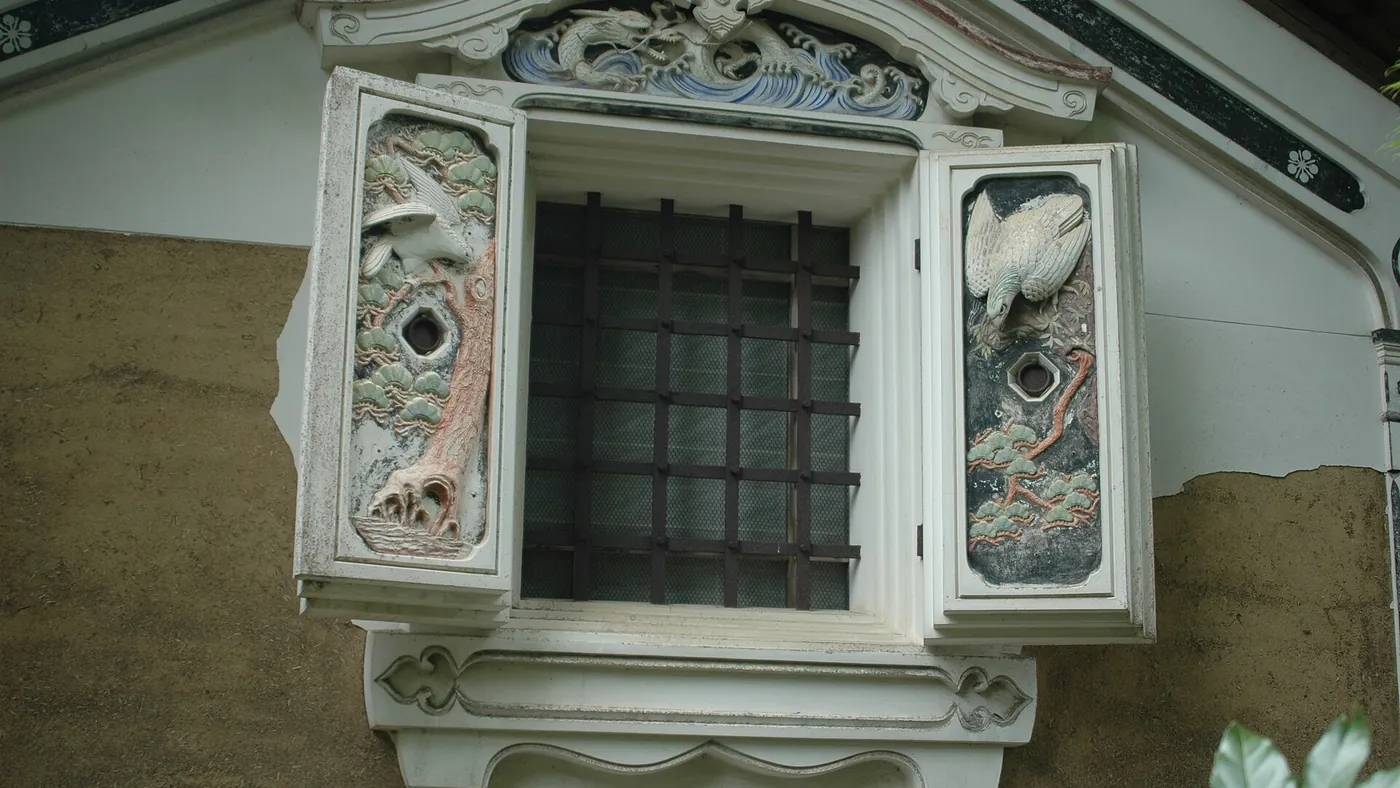
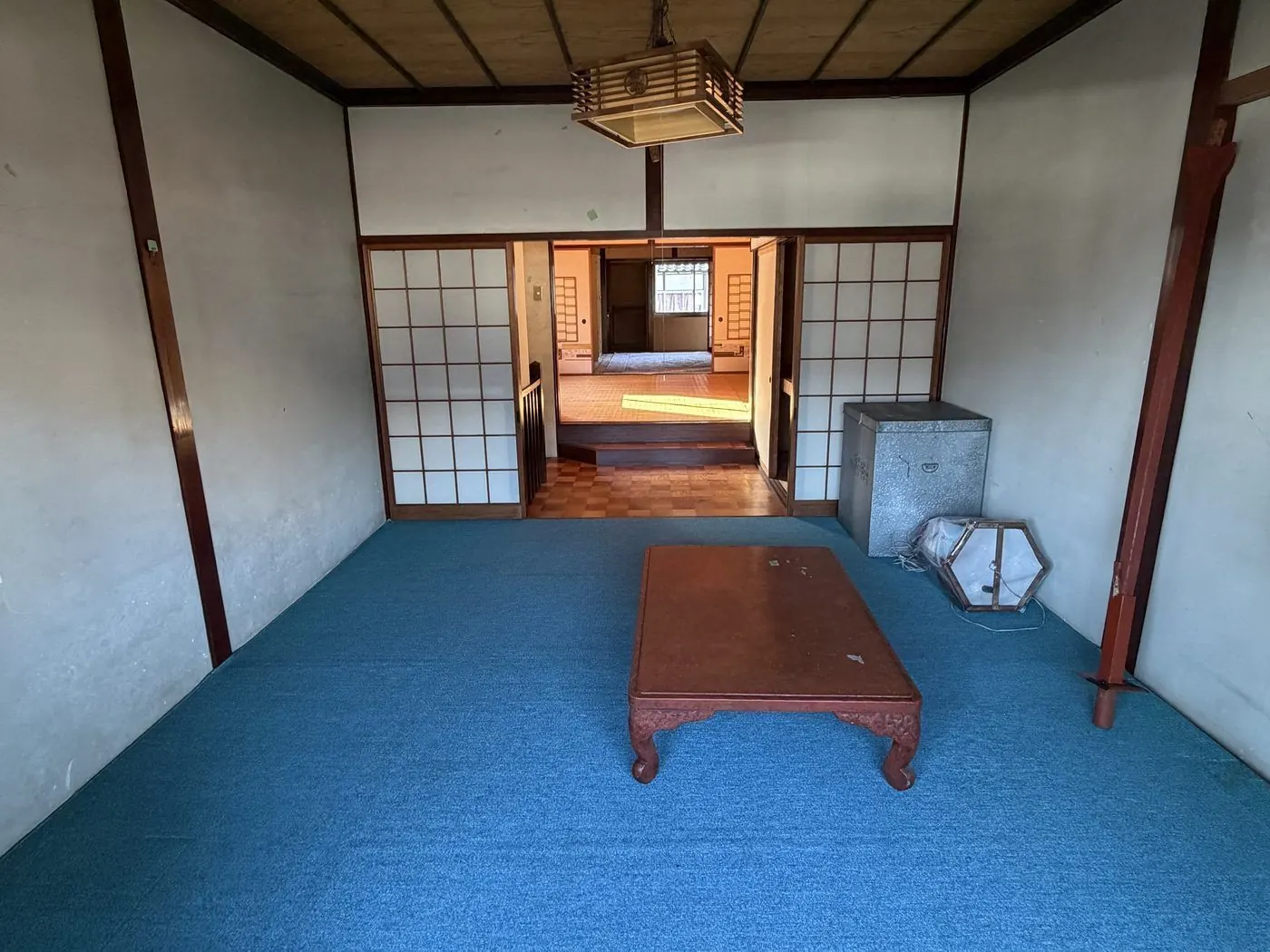
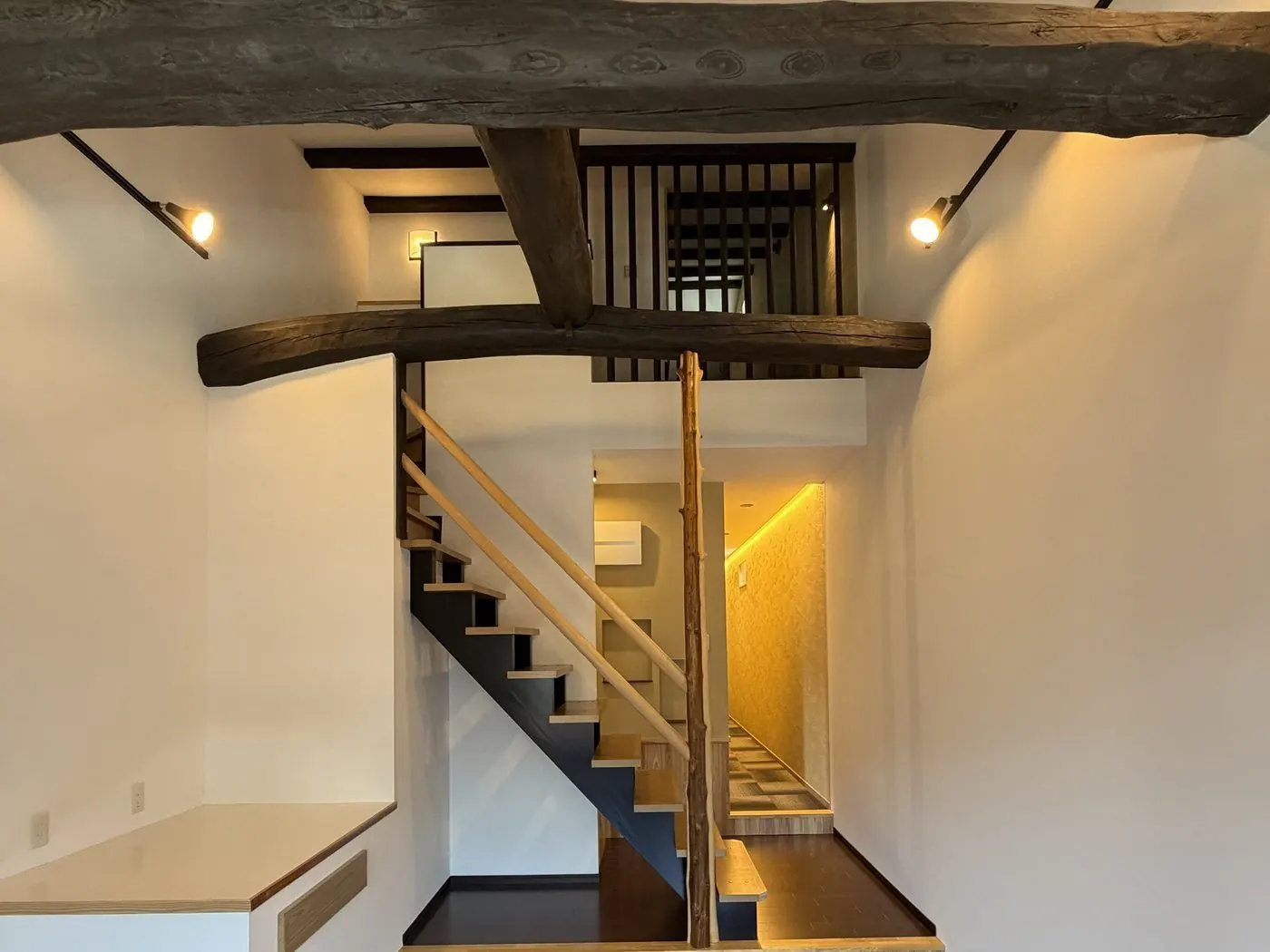
Our appraisal starts from a different premise. We add the value of the main house (posts, beams, layout) to the land price, and we look at the storehouse separately, splitting it into collapsed and salvageable. A collapsed storehouse or barn that can't be saved is demolished by us after we take the property, so we factor that cost in as ours to carry — never something for the seller to pay upfront. A storehouse that can be saved can be used for storage, a workshop, a guesthouse or a shop, and we count that as a reason to raise the price, not lower it. From there we subtract the repair cost and the risk of it going unsold. That is the purchase price. We don't deduct the cost of clearing out the contents.
Our purchase price is lower than a brokered sale would fetch, because we as the buyer take on the repair cost, the risk of not selling and the work of clearing. But a house with a collapsing kura struggles to find a buyer through brokerage, and tends to end up on the road of paying to demolish the kura first. Put the zero of the demolition-based appraisal, our figure and the net from brokerage on one table and compare. Our free appraisal can give you both the as-is price and a rough figure for the demolition route.
One real example. Mr and Mrs S of Takaoka, Toyama (in their sixties) had held a 90-year-old former farmhouse and its kura vacant for ten years. Getting older, they had decided to move out of a house that was too big, but the one thing they wanted to avoid was demolishing the house they had inherited in order to sell. We told them we would pass it on to the next user without demolishing, and took it as it stood, kura included. In Mr S's words, "Knowing the house would survive was more of a relief than I expected" (direct purchase page, client voices). While you think "once the kura is demolished, once it is cleared", the kura deteriorates with every winter.
Note that the ¥30 million special deduction for an inherited vacant house applies to transfers up to the end of December 2027, and can be used on a sale to us if the requirements are met. How it is used changes depending on whether the main house is demolished, so check before deciding on demolition. The full sale procedure is in Guide to selling an inherited family home, and how to do it from outside the prefecture in Selling without going back.