It rots from the sill up
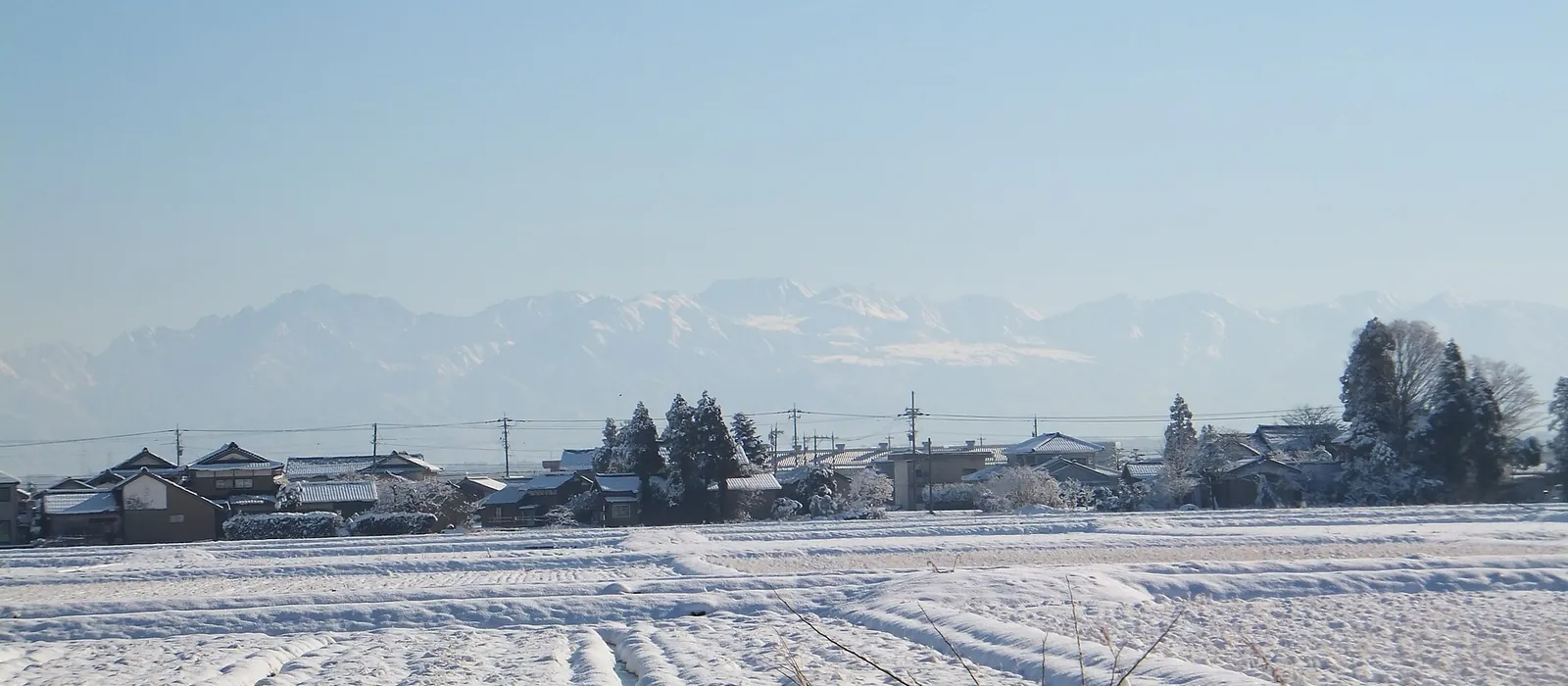
Vacant houses on the Toyama plain are damaged by water more than by snow. Summers are humid; winters bring the heavy wet snow and rain typical of the Sea of Japan coast. Once nobody lives there, ventilation stops and damp collects under the floor and in the closets. The sill and the base of the posts, the post feet, rot first; then the tatami and floorboards sag. The surface can look normal while white fungal threads have spread beneath the floor.
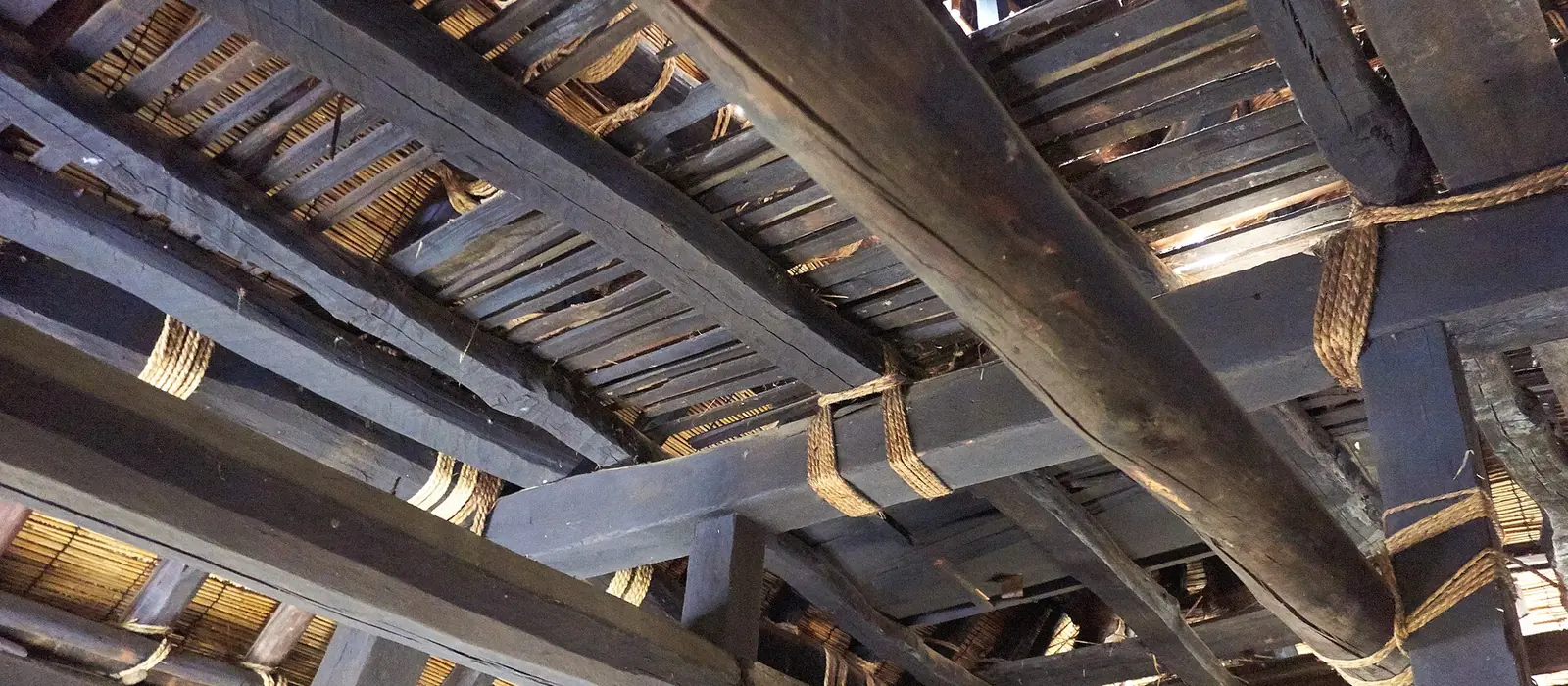
Leaks usually begin with a blocked gutter. Leaves from the garden trees fill the gutter, water runs behind the eaves, and stains appear on the ceiling boards. Even at this stage, the house can be repaired if the frame is sound. After three or five years of neglect, water reaches the beams and it is a different story.
Designated hazardous vacant houses and property tax
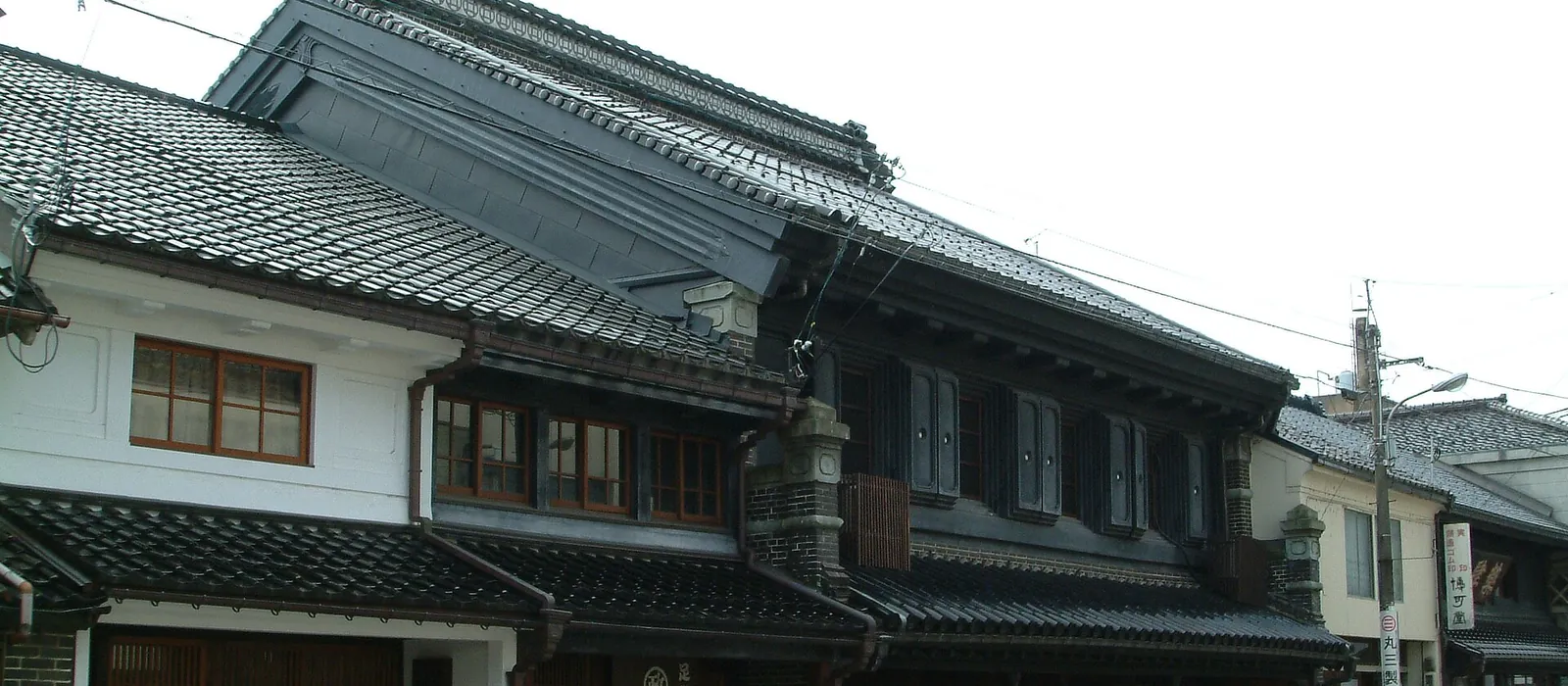
On the plains, especially in the dense residential areas of Toyama City and Takaoka, damaged vacant houses really are being designated as 'poorly managed' or 'designated hazardous' vacant houses. Once designated and served with a recommendation, the residential land relief on property tax ends and the tax on the land rises several times over. Notices from the city hall go in stages, advice and guidance, then recommendation, then order, but the safe course is to start acting when the first letter arrives (When a notice about your vacant house arrives from the city).
Some lots will not sell even when cleared
'Clear the lot and it will sell' is only half true even on the plains. From the year after clearing, the residential land relief described above ends. The relief applied while the house stood; demolish it and the tax goes up. On top of that: a frontage road under 4 m, a non-rebuildable lot with less than 2 m of road access, a terraced row house sharing walls with the neighbours. Around Yatsuo and Iwase in Toyama City, along the Uchikawa in Imizu, and near Yamachosuji in Takaoka, such lots are not unusual. Land that cannot be rebuilt on even when cleared sits on the brokerage market for a long time (Can a non-rebuildable house with no road access be sold?).
For a family home on the plains, check first whether someone will take the house together with the land, before you demolish. With the contents still inside, even with the floor fallen through, we can appraise it as it is.
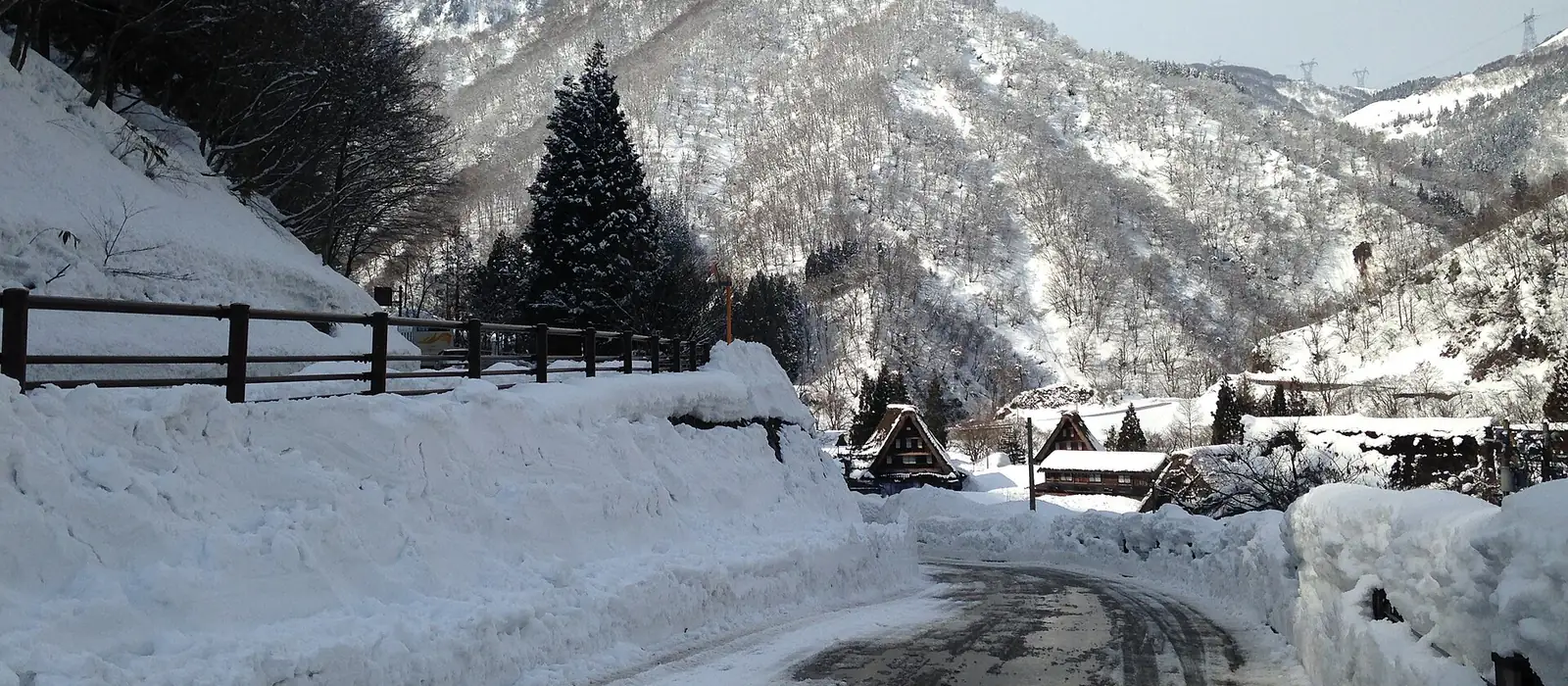
If you want a rough idea first of whether to demolish or keep, answer eight questions in Demolish or keep? A quick check. Whether the house is on the plains or in the mountains is part of the check.