Himi City — buying kominka and vacant houses

We buy vacant houses in Himi City as they are.

Himi has both seaside hamlets and hill villages. By the sea, salt corrodes metalwork and cladding quickly; in the hills, snow and wildlife take their toll. A house that looks worn often still has sound posts and beams. We have rebuilt the outer shell of seaside houses before, so we can judge on site how far the damage goes and whether restoration is possible.

1 Just send photos of the outside and inside. No clearing, from anywhereFree appraisal on LINE 2 9:00–17:00, Japanese only / after 17:00: Call us

Areas of Himi City we cover

  • Himi town centre
  • Ao
  • Unami
  • Yashiro
  • Kume
  • Busshoji
  • Ronden
  • and all of Himi City

We cover other districts too. We are a builder in Yatsuo, Toyama City, and drive to the seaside villages and the hill valleys alike. Just tell us where the house is and roughly what state it is in. Other municipalities in Toyama Prefecture are listed in Selling a vacant house or kominka in Toyama (overview).

Houses in Himi City, and why they fall empty

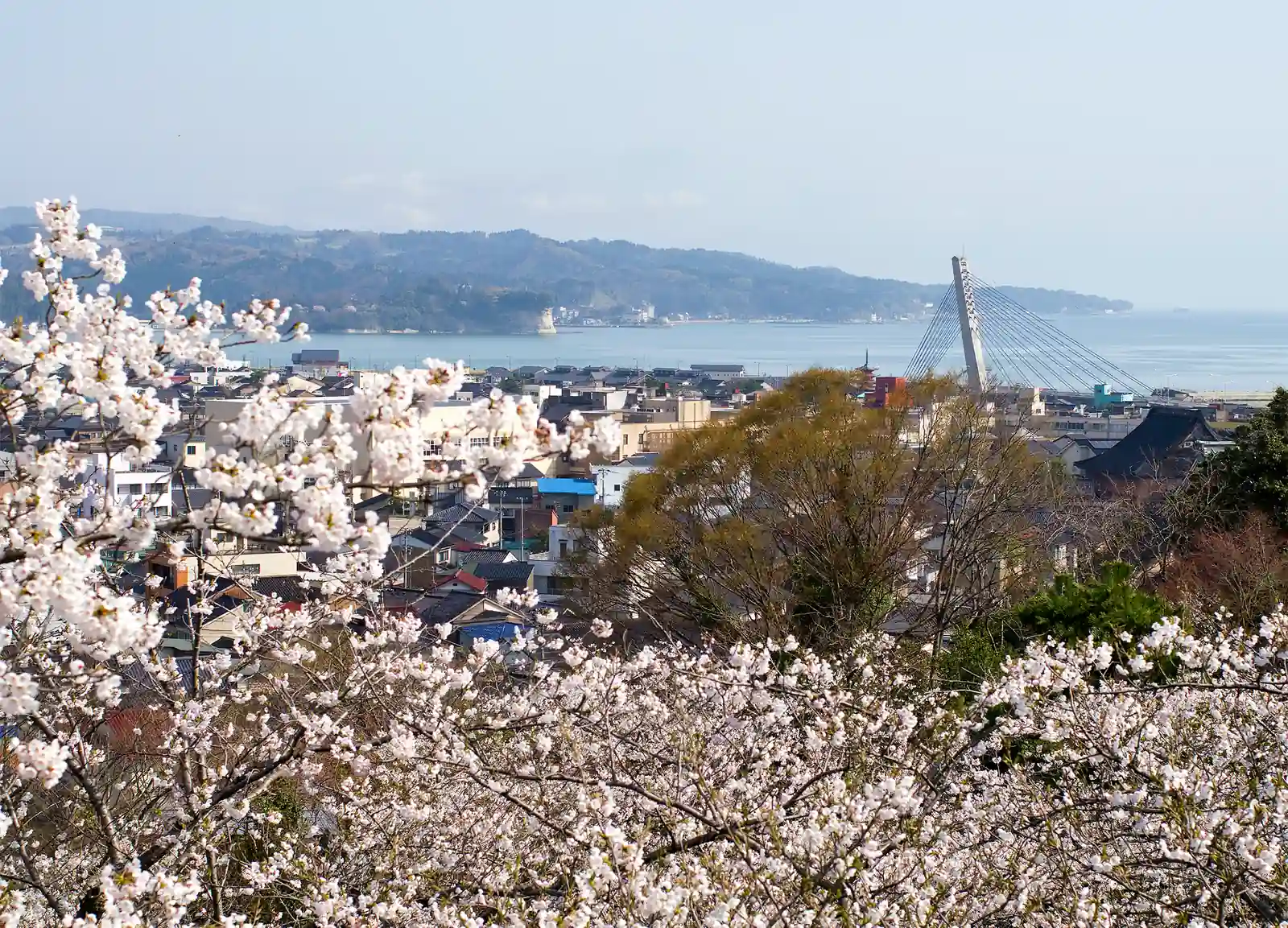
Himi townscapeHimi town and Toyama Bay seen through cherry blossom from Asahiyama Park
※ Street scene in Himi, not a property we handle. Photo: Hiroaki Kaneko "富山湾と桜"(CC BY-SA 3.0), cropped

Himi is a city of contrasts: the packed rows of a fishing town and the farmhouses scattered through hill valleys. The seaside hamlets with their fishermen's huts have narrow lanes, and plots a car cannot reach are common. The hills of Himi, meanwhile, are a popular place to relocate to, and we get enquiries from people who want to live in an old farmhouse.

No car access or no road frontage is a big minus with a broker, but because we buy as-is and restore, we can take such houses on. Tell us the location to start.

If you want a broad view of prices before selling, see Using the akiya banks in Toyama. You can keep the house listed on an akiya bank and still have us appraise it.

How houses sell in Himi City

Old houses run on through the dense fishing-town streets of Himi, and the seafront takes the full force of salt and wind. Big net-masters' houses and storehouses survive, but the lanes are narrow and demolition is expensive, the classic case where a demolition-basis appraisal comes out at nothing. We look separately at the extent of salt damage and the soundness of the frame.

Snow, roads and land in Himi City

Himi gets less snow than most of the prefecture, but the seasonal wind off the sea is strong, and wind and salt are the main causes of damage to outer walls and roofs. In the coastal settlements the roads are narrow, with fishing huts and barns built encroaching onto the lots. Because of that, quite a few properties have passed to the next generation with the boundaries never made clear.

Follow the Kamisho or Yokawa rivers into the hills, and farmhouses dot the valley hamlets of Tokonabe and Hayakawa. The hills of Himi draw people relocating, and the logic of selling there is different from the dense seafront. For either type, we work the price back from the use.

In Himi, houses with unclear boundaries, no road access, or nowhere for a car to reach are common. All of these are hard to sell the ordinary way. Because we buy directly, planning to repair and use the house, we can take these on too. You don't need to apologise for the condition beforehand — just tell us as it is.

If your house tilted in the 2024 earthquake and you are torn between repairing and selling, see Can a tilted house or kominka be repaired?

Neighbouring municipalities: Selling a vacant house in Takaoka · Selling a vacant house in Ishikawa (Noto)

Subsidies in Himi City

Himi City has subsidies for demolishing or renovating vacant houses. Budget and conditions are set each fiscal year, and starting work before the grant is approved disqualifies you as a rule. Whether selling, renting or repairing is best can depend on the scheme, so we check it alongside the appraisal.

* Check the municipality's official page for current availability and requirements.

Leave the keys as they are

Request an appraisal for a house in Himi City.

Just three fields. It takes a minute. If you have photos, LINE is faster.

Request a free appraisal Message us on LINE
Or call us (Japanese only) 9:00 - 17:00 After 17:00, site manager (Japanese only)

Himi City FAQ

Can I really sell a vacant house in Himi City without clearing it out?+−

Yes. In Himi City too, we buy with the contents and the altar still inside; we dispose of them, so no clearing out. From the seaside hamlets to the hill villages, we take them all as they are.

How long from appraisal to handover in Himi City?+−

As little as two weeks from the site survey. A few days from your request to the visit, and the price within a week. We have rebuilt the outer shell of seaside houses before, so within Himi City it goes smoothly.

Another firm said it can't be sold without demolishing. Is that true in Himi City?+−

We don't assume demolition. We repair the houses we buy and pass them on, so there is no demolition cost to deduct from the price. Many requests here come from heirs living outside the prefecture, and the better the condition, the bigger the difference. Appraisal is free, with no charge if you decline.

The house is by the sea and has salt damage. Is it still worth anything?+−

Damage to the cladding and damage to the structure are two different things. If the frame is sound it can be repaired, so we judge on site. The appraisal assumes there is damage, so show it to us as it is.

Can I let go of a large house like a net-master's house together with its storehouse?+−

Yes, we take the storehouse and barn too, contents and all. Himi gets many enquiries about conversion to inns and restaurants, and the bigger the house, the more ways to use it.

Can a house flooded in the August 2026 heavy rain be sold?+−

Yes. Flooded houses in Himi can be sold too. But please tell the buyer that the house was flooded: if you knew and kept quiet, you can be held responsible later (Civil Code, Article 572). Whether to repair first or sell as-is depends on whether water came above or below the floor, and on damage to the frame. We give a price after seeing the house. For details, see Flooded in heavy rain: repair or sell?.

Can I have several companies appraise my vacant house in Himi and compare?+−

Yes, please compare. Our appraisal is free, and saying no costs nothing. When you compare, look beyond the price: check whether salt damage is being used as a reason to demolish, and whether the price comes from looking at the frame. The fishing quarters of Himi have narrow lanes that make demolition expensive, so a demolish-first price and a restore-first price can differ a lot.

In Himi, how do I choose between the akiya bank and a direct purchase?+−

Farmhouses in the hills of Himi get enquiries from people wanting to move here. If you have time, you can wait on the akiya bank for someone who wants to live there. A house by the sea that cars cannot reach, or one whose boundaries are unclear, is hard to sell the usual way, and a direct purchase suits it better.

Appraised at zero elsewhere, or turned away outright? → Appraisal on a demolition basis vs. on a keep-it basis

Our purchase terms and frequently asked questions.

How we differ from an agent, how we handle shared ownership and farmland, and what clients say.

Selling a vacant house or kominka in Toyama: overview → What to do with the family home →

Written by Kota Makimura, Hokuriku Homes Updated

Phone9:00–17:00 LINEAppraisal from photos Free appraisalTakes 1 minute
LINEChat