Before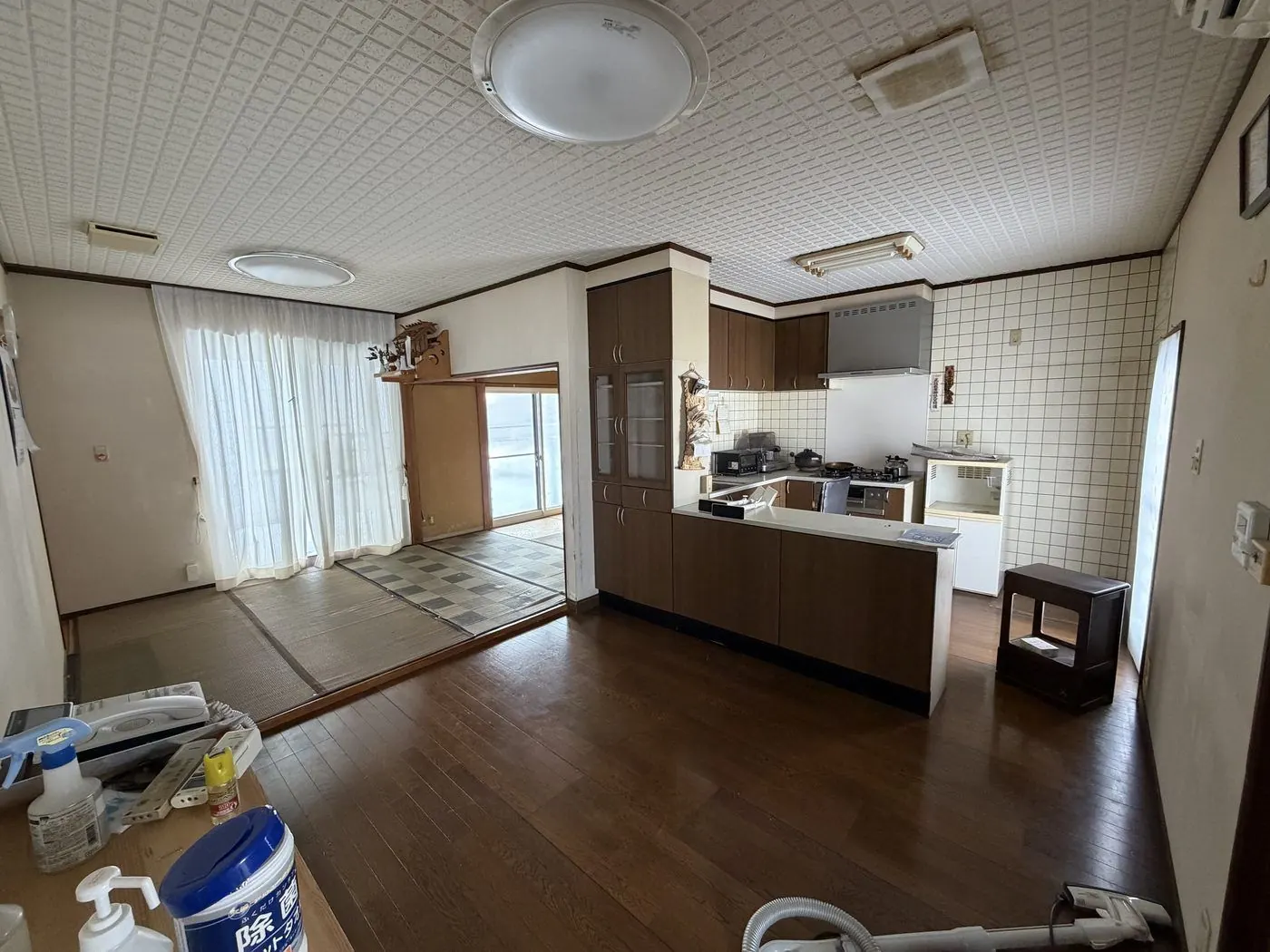
→
After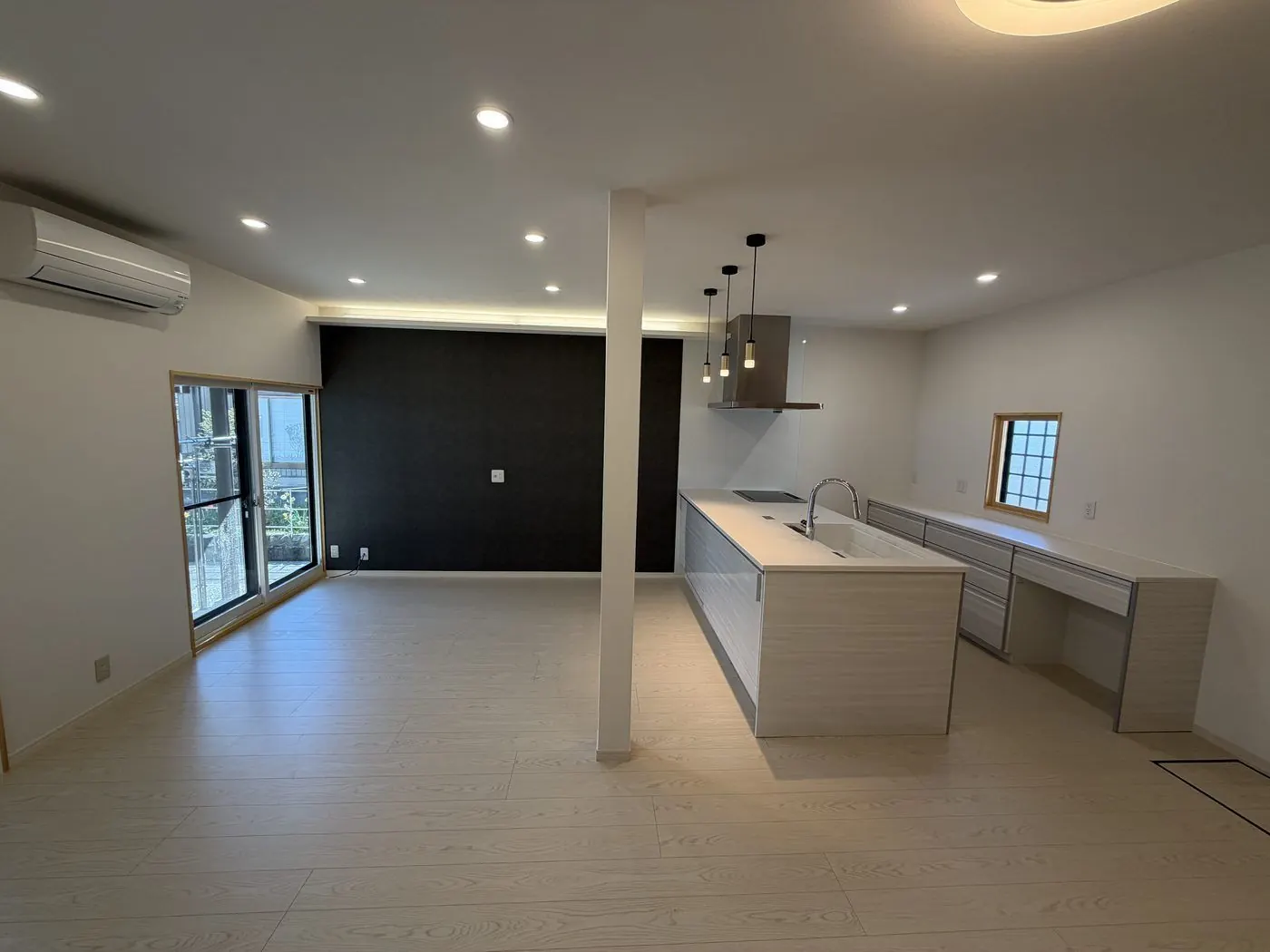
Not a company-housing project: a house we restored as a home (two months' work, construction cost ¥9 million). → See this case in detail
For a detached company house in Toyama, winter is the real test. From December to February snow builds up on the roof, and on a warm day it comes down all at once, breaking eaves, gutters and the neighbour's fence. January and February bring frozen pipes: on a cold night the water inside freezes and expands, splitting pipes and joints. With people living there, someone notices the dry tap that morning — but over the New Year holiday, when staff go home, the house is as good as vacant.
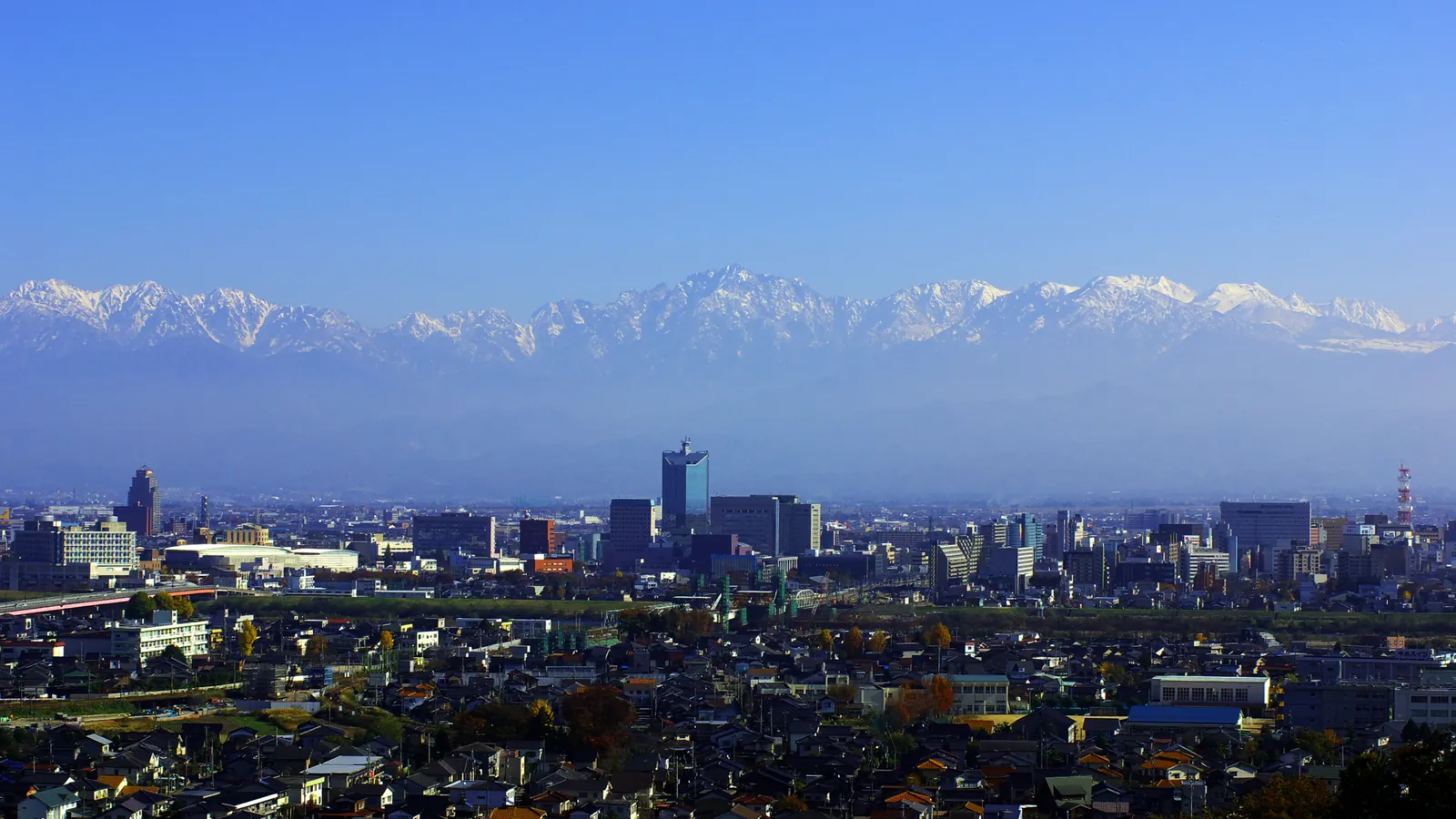
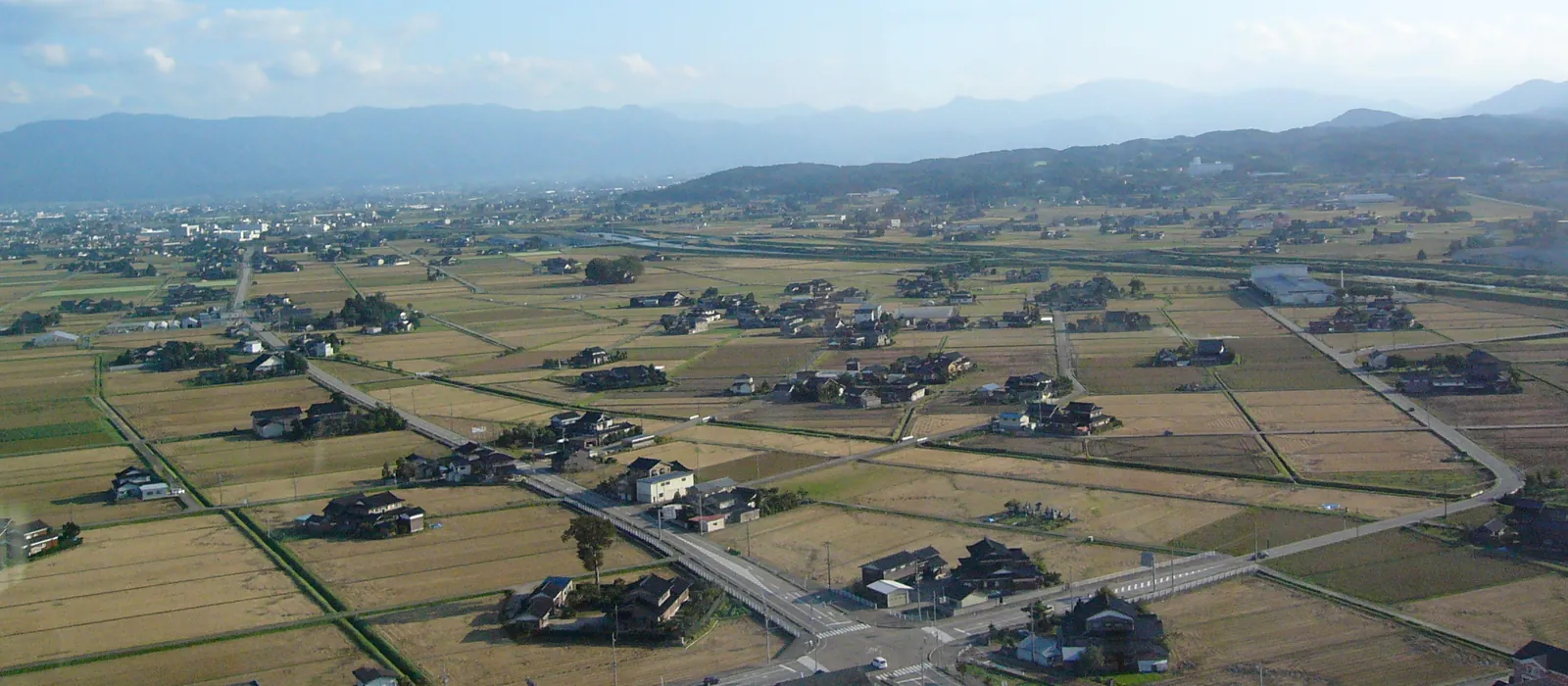
Snow on the plain is wet and heavy; in the hills the depth itself jumps. It differs by district even within Toyama City, so when searching we look at how much snow the district gets and which way the roof sheds it (not towards the neighbours?).
Decide the winter arrangements in advance. Who clears the roof? Never let your employees climb onto the roof: every year in snow country people fall from roofs. Book a snow-removal contractor or a builder in autumn. If everyone goes home over the New Year, give the residents the drain-down procedure (close the stopcock, open every tap in the house to drain the pipes, empty the water heater and the toilet cistern). The water heater's freeze protection needs power, so leave the electricity on.
And then insulation. Toyama houses are cold because four things coincide: high ceilings and large rooms, connected rooms that let the warm air escape, cold rising from the ground under the floor, and big single-glazed windows. Since the company does not pay the utility bills, a cold house is the tenant's burden, and they will not stay. Our renovations fix the insulation first. In order of cost-effectiveness: windows, underfloor, ceiling. In the house pictured, sprayed urethane insulation and underfloor heating went into the ground-floor LDK and the upstairs tatami room: two months, ¥9 million in construction.