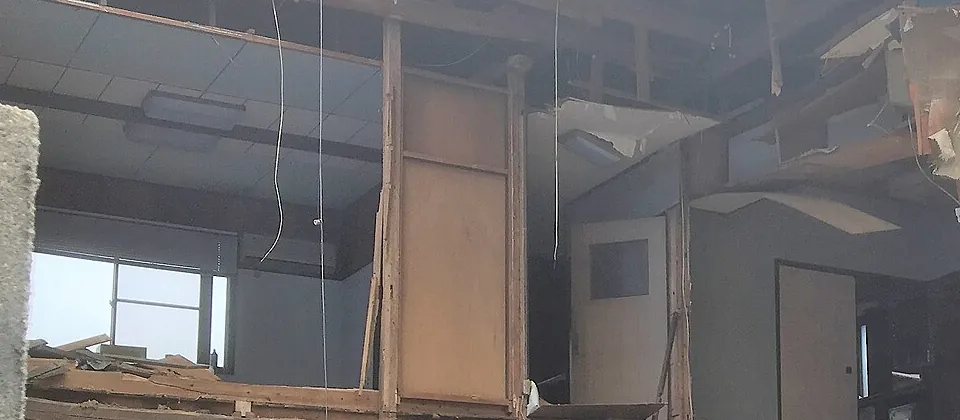
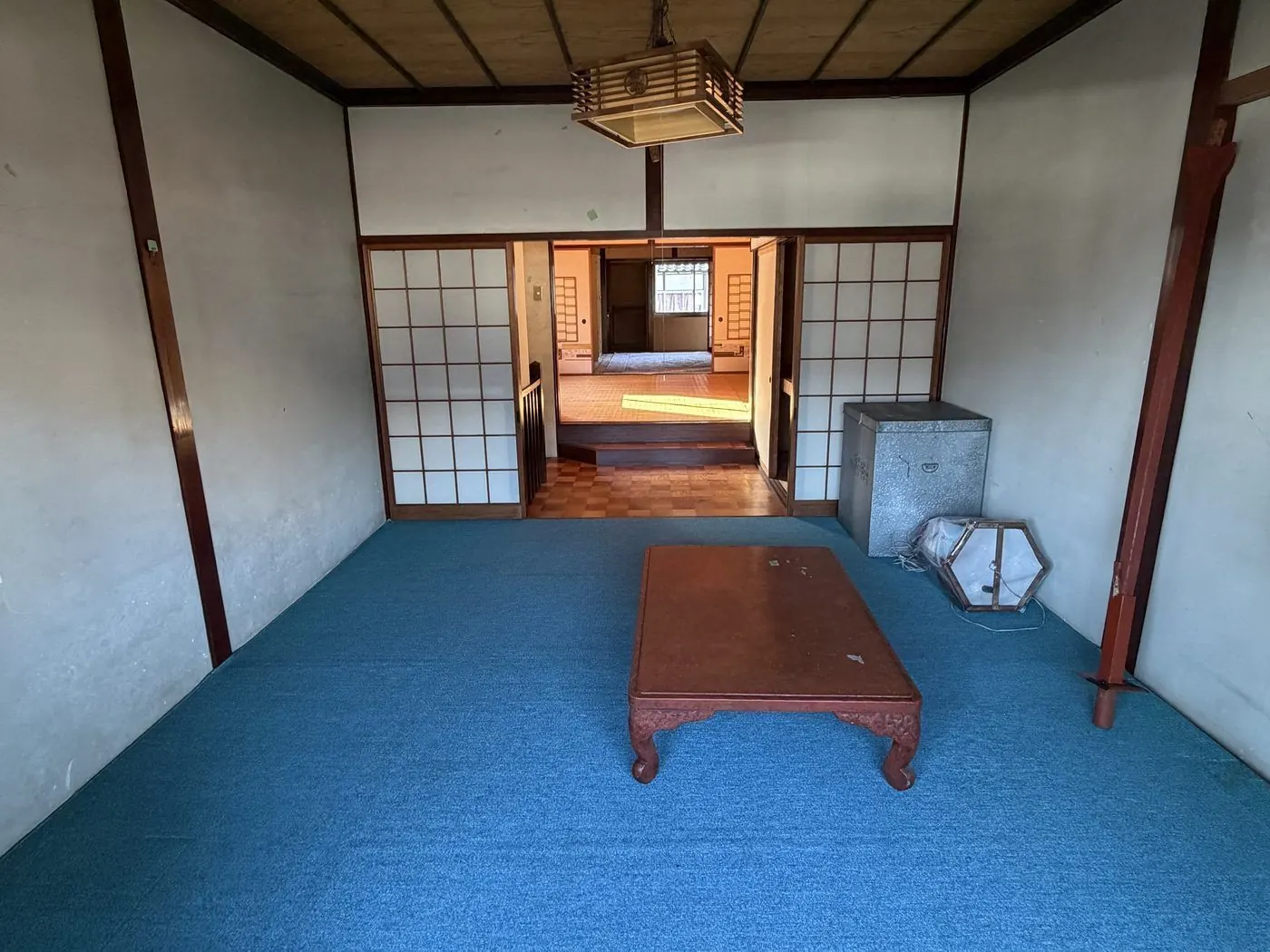
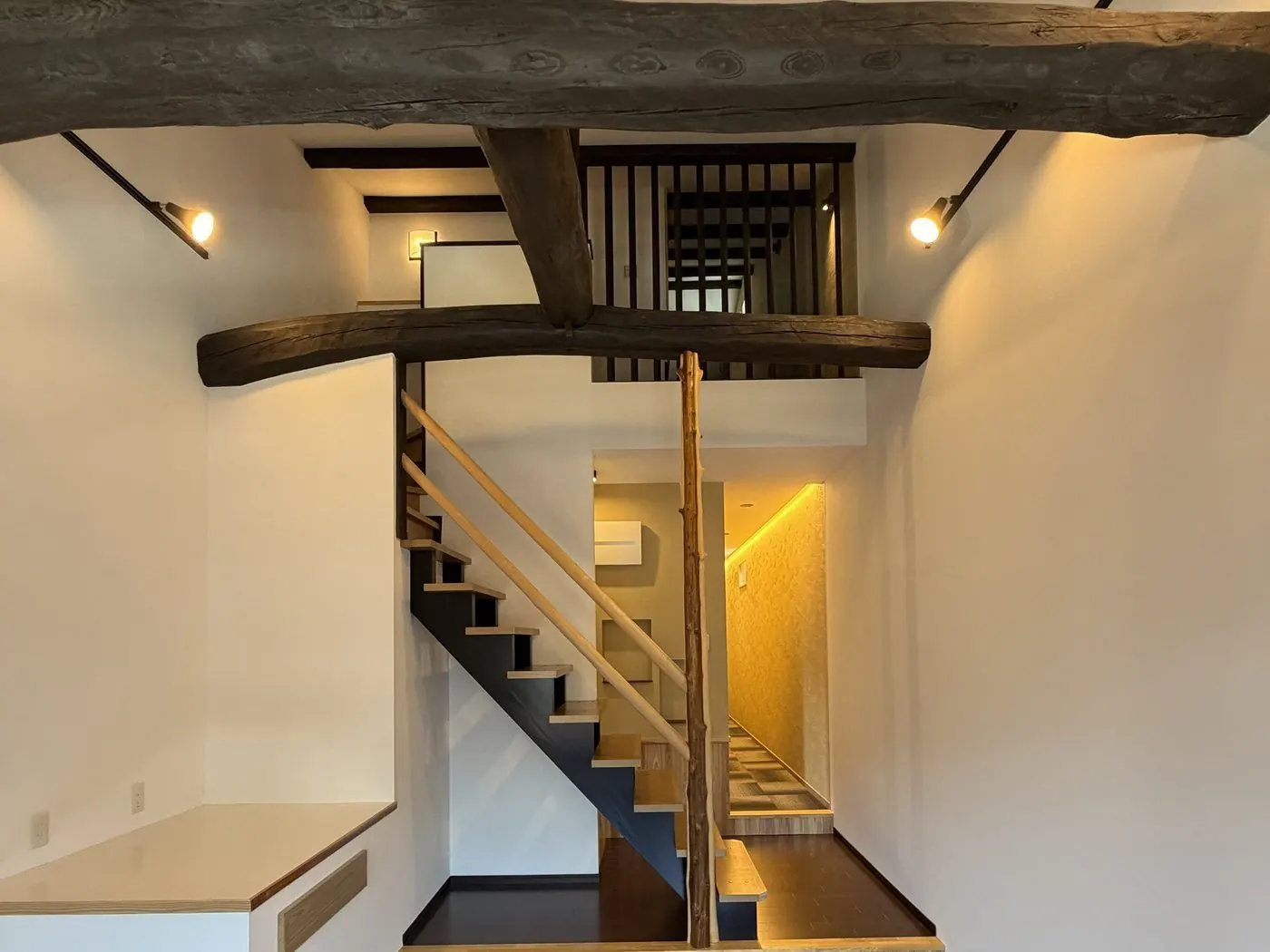
Demolition means paying money to raise your tax every year.
Land with a house on it gets the "residential land relief" (a rule that lowers property tax on land with a house), which cuts the tax base (the amount the tax is calculated from) to as little as one-sixth. Demolish and clear the land, and from the following year the relief ends and the land tax rises several times over. Demolishing with no buyer in sight is the most costly order of all.
Leaving it standing and untouched is not safe either. If an unmanaged vacant house receives a recommendation (a strong warning from the city or town) as a designated hazardous vacant house (one the city has judged dangerous) or a poorly managed vacant house (one the city has warned will become dangerous if left), the relief ends just the same. The answer is: do not demolish, do not neglect it, and act early. Taxes on inherited homes are covered in Property tax on an inherited vacant house.
The demolition cost itself also goes out first. Guide figures:
- Demolishing a wooden house (main work)about ¥30,000–50,000 per tsubo (3.3 ㎡)
- 130 ㎡ houseabout ¥1.5–2 million and up
- 200 ㎡ farmhouseabout ¥2.5–4 million and up
- Outbuildings: storehouse, barn, garagefrom a few hundred thousand yen each
These are Toyama guide figures. Besides the total floor area (all floors added together), the cost rises when the road in front is too narrow for heavy machinery, the neighbours are close, or there is a septic tank (equipment that treats waste water where there is no sewer) or a well. Including a storehouse, barn and windbreak grove (the trees planted around a house against the wind), the total often goes over ¥3 million. Before demolition, an asbestos survey (asbestos is an old building material harmful to health) is required for almost any job. The breakdown is in Demolition costs for vacant houses.
If the house was inherited, also look at the conditions of the ¥30 million deduction for vacant houses.
The ¥30 million deduction for vacant houses (a special rule that lets you subtract up to ¥30 million from the profit on a sale to reduce tax) requires, among other things, a house built on or before May 31, 1981 (Showa 56), sold by December 31 of the year in which three years have passed since the inheritance, and by December 31, 2027. From 2024, you can sell with the house still standing and use it, as long as the buyer demolishes it or makes it earthquake-resistant by February 15 of the year after the sale. The seller does not need to pay for demolition first. If you demolish it yourself first, this "buyer demolishes" route is no longer open. Renting it out before the sale, including minpaku and monthly rentals, also rules it out. The full list of conditions is in The ¥30 million special deduction for vacant houses.